


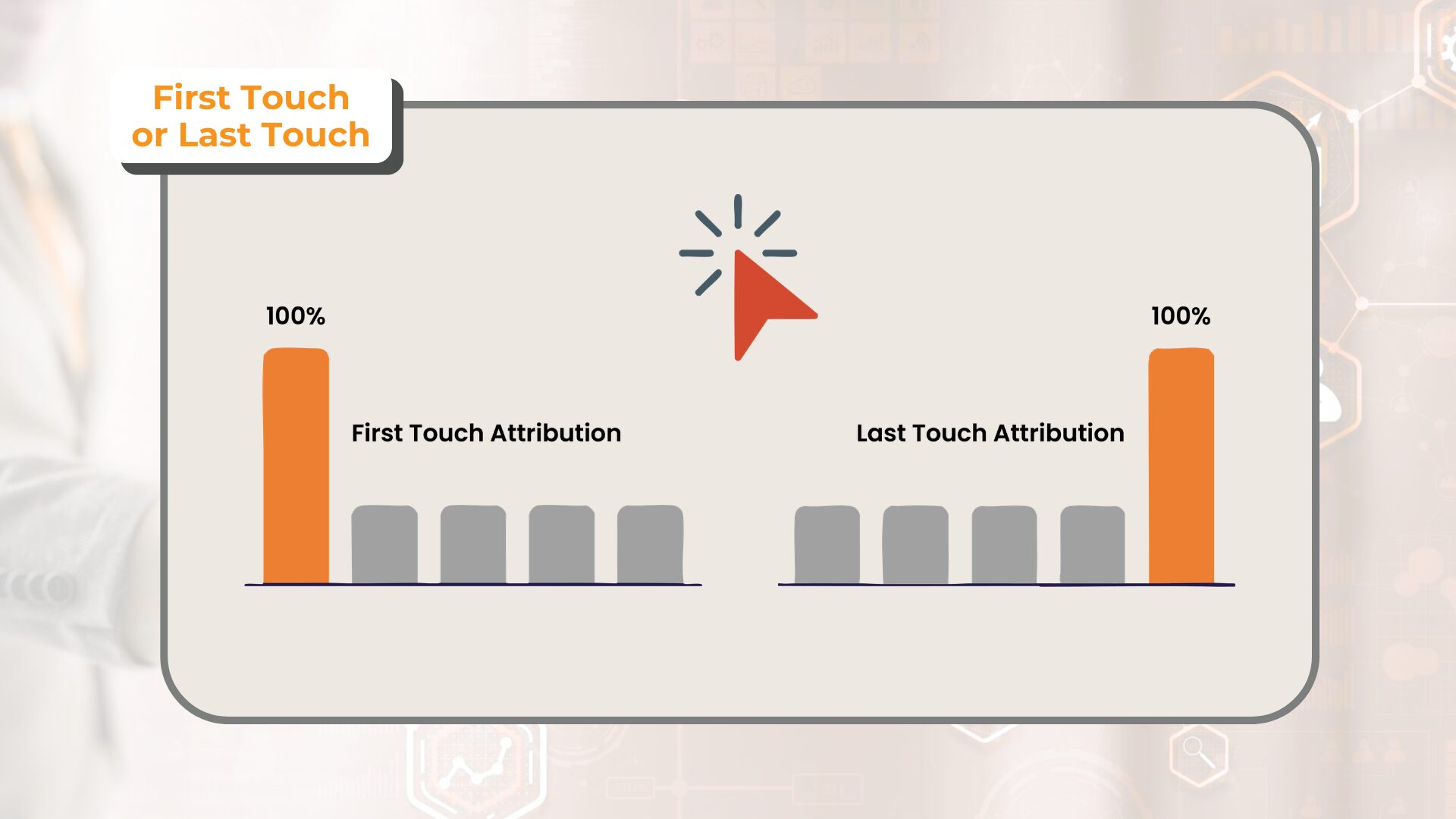
Marketing reports often show strong performance across Google Ads, Meta Ads, LinkedIn Ads, and organic search, yet the interpretation of results depends heavily on the attribution models being used. The same conversion can be credited differently depending on whether a company relies on first-touch attribution or the last-touch attribution model.
The debate around first-touch vs last-touch attribution centers on how each approach assigns conversion credit across the customer journey. Some businesses prioritize early-stage brand awareness, while others focus on closing interactions that drive immediate action within shorter sales cycles.
Choosing between first-touch and last-touch attribution influences reported marketing performance, channel valuation, and budget decisions. This article compares both approaches, outlines where each works best, and explains how phone call tracking affects attribution accuracy for businesses that rely on inbound calls.
What Is First-Touch Attribution?
First-touch attribution is a form of single-touch attribution that assigns 100% of the conversion credit to the first recorded interaction in the customer journey. In this attribution model, the channel that first introduces a prospect receives full credit, even if subsequent marketing touches occur.
The initial interaction may come from Google Ads, organic search, LinkedIn Ads, or display ads, captured through UTM tracking and recorded inside Google Analytics within a defined lookback window.
Because it does not use weighting methods such as time decay or other data-driven models, first-touch attribution focuses solely on identifying which marketing channels drive early demand and build brand awareness across longer sales cycles.
What Is Last-Touch Attribution?
Last-touch attribution assigns full conversion credit to the final interaction recorded before a conversion. Within this single-touch attribution structure, earlier marketing touches are not factored into reporting once the last interaction is identified.
The closing interaction may come from a retargeting click in Google Ads, a branded query through organic search, a reminder from Meta Ads, or a direct return visit that leads to a phone call. When the action occurs within the configured lookback window, analytics platforms such as Google Analytics attribute the conversion to that final source.
This approach emphasizes bottom-of-funnel activity and performance within shorter sales cycles, prioritizing the channel that prompted the immediate decision over the one that generated initial interest.
First-Touch vs Last-Touch Attribution: Key Differences
| Factor | First-Touch Attribution | Last-Touch Attribution |
| Credit Assignment | 100% to the first recorded interaction | 100% to the final recorded interaction before conversion |
| Primary Focus | Initial demand and brand awareness | Closing interaction and immediate conversion driver |
| Best For | Measuring top-of-funnel performance and longer sales cycles | Evaluating bottom-of-funnel activity and shorter sales cycles |
| Treatment of Other Touchpoints | Does not credit later interactions | Does not credit earlier interactions |
| Complexity | Simple single-touch model | Simple single-touch model |
| Reporting Bias | Favors awareness channels | Favors closing or retargeting channels |
| Phone Call Impact | Disconnects the closing call from the earlier source if not tracked | May over-credit the final call source without earlier context |
How the Same Customer Journey Looks Under Each Model
Consider a prospect interacting with several marketing channels before converting. The sequence below illustrates how the same customer journey can be interpreted differently depending on the selected attribution models.
Customer journey:
- Clicks a paid social ad from Meta Ads
- Returns later through organic search
- Clicks a retargeting ad in Google Ads
- Calls the business to ask questions
- Completes the purchase
Under first-touch attribution, the initial interaction from Meta Ads receives 100% of the conversion credit because it was the first recorded step in the customer journey.
Under the last-touch attribution model, the Google Ads retargeting click receives full credit because it occurred immediately before the phone call and conversion.
If a phone call isn’t tracked through a structured system, both first-touch and last-touch attribution may show incomplete data, particularly when the call is recorded as direct traffic instead of being linked to the correct marketing channel or campaign.
The Hidden Problem: Phone Calls Break Both Models
Many businesses focus solely on forms or online conversions, overlooking a critical component of the customer journey: phone calls. High-intent leads often call directly, especially for service-based or B2B businesses. If these calls aren’t tracked properly, both first-touch attribution and last-touch attribution models can show incomplete or misleading data.
Without dynamic number insertion, calls are often recorded as “direct traffic,” disconnecting them from the correct marketing channels or campaigns. This can result in:
- Attribution models assigning credit incorrectly
- Inflated performance for the last recorded interaction
- Misrepresentation of campaign ROI and marketing performance
Static phone numbers create blind spots in attribution, such as:
- Repeat callers can distort last-touch attribution
- Early interactions from display ads, LinkedIn Ads, or organic search may go unrecognized
- Leads are less likely to be credited for the marketing touch that originally drove them
AvidTrak solves these challenges with a complete solution:
- Dynamic number insertion links every call to the correct campaign, keyword, or landing page, ensuring accurate attribution.
- AI-powered transcription turns calls into searchable, trackable text, giving full visibility into every customer interaction.
- AI-powered conversation outcome extraction automatically identifies key moments, such as booking or pricing requests, so businesses can confidently attribute conversions and prioritize high-value leads.
By tracking phone calls alongside digital touches, businesses can gain a more complete view of traffic attribution, giving accurate credit across all marketing channels and ensuring that first-touch vs. last-touch attribution reflects the true customer journey.

When First-Touch Attribution Works Best
First-touch attribution is most effective for businesses seeking to identify the marketing channels that first engage potential customers and generate initial awareness.
This model gives credit to the first interaction, helping teams measure early-stage engagement and the impact of brand awareness campaigns. It works best when the sales cycle is long, or leads interact with multiple touchpoints before converting.
Ideal scenarios include:
- Long sales cycles – Identifies which marketing channels first engage prospects in B2B or enterprise contexts.
- Brand awareness campaigns – Tracks the effectiveness of LinkedIn Ads, display ads, or organic search in attracting new leads.
- Enterprise B2B businesses – Early touch tracking is critical when multiple decision-makers evaluate options.
- Education providers – Reveals which initial interactions drive awareness before inquiries.
- Early-stage funnel analysis – Shows which marketing strategies attract initial leads and guides budget allocation
When Last-Touch Attribution Works Best
Last-touch attribution is most effective when the priority is on channels that drive immediate conversions.
It assigns credit to the final interaction before a lead or purchase, allowing businesses to identify which marketing activities directly generate results. This model is particularly suited for fast-paced campaigns where closing the sale is a priority.
Key use cases include:
- Short sales cycles – Quickly identifies the channel that leads directly to conversion.
- Direct-response PPC campaigns – Tracks which paid clicks result in immediate engagement.
- E-commerce businesses – Measures the last-touch that drives purchases, especially for return visitors.
- Lead-generation focused companies – Highlights the marketing touch that successfully converts high-intent prospects.
Where Both Models Fall Short
Both first-touch and last-touch attribution models, including multi-touch attribution, may fail to capture the full customer journey. Key phone-driven interactions can go uncredited, creating gaps in reporting for high-intent leads and limiting the visibility of your marketing strategies.
Key limitations include:
- Calls are unmeasured – Neither first-touch, last-touch, nor multi-touch models account for call duration or the impact of live conversations on conversions.
- Conversation quality is ignored – Meaningful interactions, such as booking or pricing requests, are not evaluated.
- Spam and irrelevant leads distort data – Unfiltered inbound calls can skew metrics and misrepresent ROI.
- Phone-driven touchpoints go uncredited – Leads from retargeting campaigns, lead generation, or other marketing activities may remain disconnected from the appropriate campaign or channel.
This is where AvidTrak adds clarity. By combining call tracking with the ability to link inbound calls to campaigns, keywords, and landing pages, along with AI-powered insights, businesses can accurately account for both digital and phone-driven conversions. This provides a complete view of customer interactions, supporting more informed, data-driven marketing decisions.
How to Improve Attribution with Call Tracking
Tracking phone calls alongside digital interactions is essential for accurate marketing measurement. AvidTrak offers a reliable call tracking system that links inbound calls to campaigns, keywords, and landing pages, and captures meaningful outcomes to provide a complete view of your marketing strategies.
Dynamic Number Insertion (DNI)
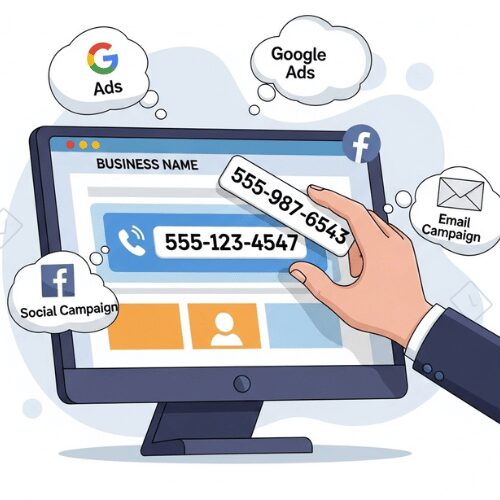
AvidTrak assigns unique tracking numbers to each visitor based on the traffic source. This ensures every inbound call is linked to the correct campaign, keyword, and landing page, even if prospects return multiple times before calling
Benefits include:
- Assigning calls to the correct marketing channel or campaign
- Preserving attribution across sessions and repeat visits
- Linking call-driven leads to the original source within multi-touch models
Google Ads & GA4 Integration
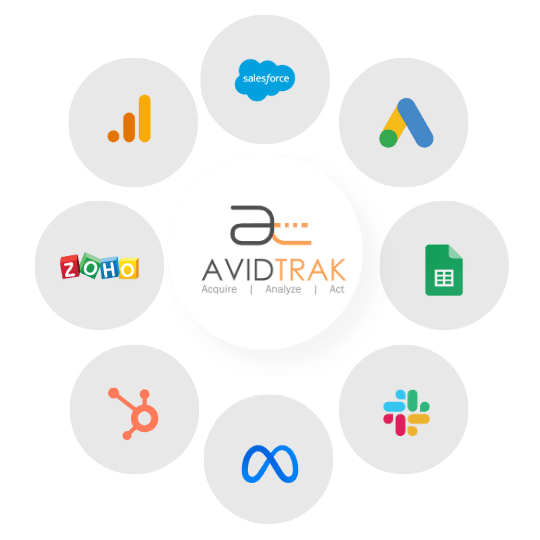
AvidTrak integrates directly with Google Ads and GA4 to report inbound calls as structured conversions. Calls can be filtered by duration or caller uniqueness, providing verified call conversion data to measure which campaigns and keywords drive inbound leads.
Key advantages:
- Measure direct-response and retargeting campaigns accurately
- Evaluate channel performance with verified call data
- Reports inbound calls as structured conversion events to complement digital campaign performance tracking
AI-Powered Transcription & Conversation Outcome Extraction
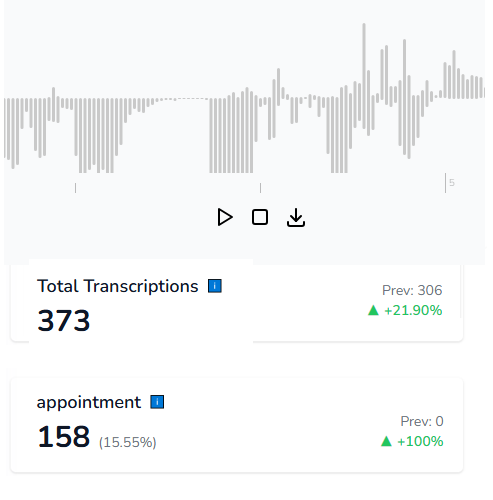
AvidTrak converts calls into searchable, trackable text while automatically identifying key conversion events, such as bookings, pricing inquiries, or support requests.
Why it matters:
- Distinguishes high-value conversions from general inquiries
- Reduces manual review and human error
- Improves visibility across multi-touch attribution models
Advanced Attribution for Multi-Location & Franchise Businesses
For businesses operating across multiple regions or franchise locations, call tracking requires advanced routing and attribution alignment. AvidTrak ensures inbound calls are managed efficiently without losing marketing context.
Zip Code & Area Code Routing
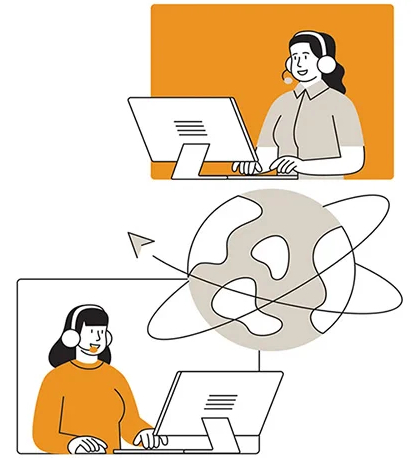
AvidTrak routes inbound calls to the correct location using ZIP codes or area codes, keeping campaign-level attribution precise. Every lead reaches the right team, reducing missed opportunities while maintaining full visibility into marketing performance.
Key advantages:
- Directs calls to the correct location while preserving source information.
- Supports franchise and multi-location reporting for accurate marketing evaluation.
- Helps teams prioritize leads by region without losing campaign context.
Sequential & Simultaneous Forwarding
With AvidTrak, calls are managed efficiently through sequential or simultaneous forwarding, ensuring no lead goes unanswered. This preserves source-level tracking across campaigns while improving overall response reliability.
Benefits include:
- Ensures calls are answered promptly by the right agents while maintaining campaign tracking.
- Balances call distribution without impacting source-level data.
- Maintains campaign attribution even when multiple agents handle calls
IVR & Call Whisper
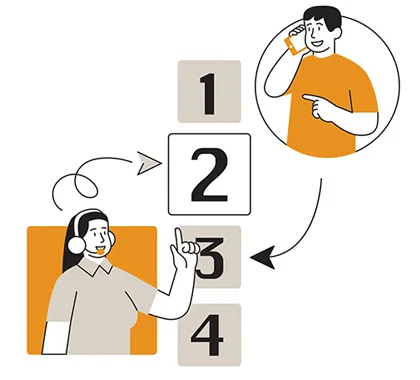
AvidTrak optimizes call intake with IVR menus and call whisper, guiding both callers and agents through each conversation. This structure protects attribution accuracy and improves lead handling, increasing conversion potential.
Why it matters:
- Reduces human error and ensures calls are categorized correctly
- Guides callers and agents for smooth conversations while preserving inbound call data for reporting.
- Helps identify meaningful phone-driven conversions, such as bookings or inquiries.
What is Multi-Touch Attribution?
Multi-touch attribution distributes conversion credit across multiple customer interactions, providing a more balanced view than single-touch models.
However, this approach is more complex and requires clean, consistent tracking across all channels. When inbound calls are not captured accurately, reporting gaps appear and attribution reliability declines.
By linking phone calls to campaigns, keywords, and landing pages, AvidTrak ensures call-driven conversions are included in multi-touch reporting. This allows businesses to evaluate channel performance with greater confidence and make stronger, data-backed marketing decisions.
How to Choose the Right Attribution Model for Your Business
Selecting the right attribution model depends on how customers research, engage, and convert across tracked marketing and phone interactions. The goal is to align attribution reporting with real buying behavior rather than relying only on default analytics settings.
Ask the following questions before choosing a model:
- Is your sales cycle long or short?
- Do customers interact with multiple marketing channels before converting?
- Are phone calls a primary source of qualified leads or confirmed revenue?
- Do you operate across multiple locations or service areas that require call routing and localized attribution?
- Do you need keyword-level visibility into conversion performance?
Use these guidelines to inform your decision:
- Last-touch attribution is often sufficient when most conversions happen quickly after a single interaction.
- First-touch attribution provides clearer visibility into acquisition sources when early awareness and discovery drive demand.
- Multi-touch attribution distributes credit more evenly across touchpoints when customers move through several channels before converting.
Why AvidTrak Is a Cost-Effective Attribution Solution
AvidTrak provides accurate, verifiable attribution for call-driven businesses at a cost-effective price. Features such as AI-powered transcription, conversation outcome extraction, dynamic number insertion, GA4 and Google Ads integration, CRM integrations, built-in contact center, and ZIP code routing ensure every call is tracked, measured, and tied to the right campaign or keyword.
From simple call tracking to advanced multi-touch attribution, AvidTrak provides reliable data and clear performance visibility. With 14+ years of domain expertise and dedicated product support, businesses gain confidence in their marketing decisions and can maximize ROI from every phone interaction.
Sign up for a free trial with AvidTrak today and connect inbound calls to campaigns, keywords, and verified outcomes with precision. Every lead measured, every call counted, every marketing dollar accounted for.
Frequently Asked Questions
1. What is the difference between first-touch and last-touch attribution?
First-touch attribution assigns full credit to the initial interaction, while last-touch gives credit to the final action before conversion. With AvidTrak, phone calls are included in both models, ensuring inbound call data is tied to the correct campaign or keyword for accurate reporting.
2. Which attribution model is more accurate?
Accuracy depends on your marketing goals. First-touch highlights early engagement, last-touch emphasizes conversions, and multi-touch captures all interactions. AvidTrak integrates call tracking with GA4, Google Ads, and CRM systems, ensuring every phone-driven conversion is measured correctly regardless of the model.
3. Is first-touch attribution better than last-touch?
First-touch is ideal for understanding what initiated demand, while last-touch focuses on final actions that drove conversions. AvidTrak links inbound calls to both early and final interactions, providing a complete view without sacrificing high-intent phone conversions.
4. How do phone calls affect attribution models?
Phone calls represent high-intent conversions often missed by standard analytics. AvidTrak tracks each call, assigns it to campaigns and keywords, and captures outcomes, so both first-touch and multi-touch attribution models reflect actual marketing impact.
5. What is dynamic number insertion?
Dynamic number insertion (DNI) automatically assigns unique tracking numbers based on the traffic source. AvidTrak uses DNI to connect every inbound call to the correct campaign, keyword, and landing page, maintaining accurate attribution even with repeat visits or multiple sessions.
6. How does AI-powered transcription and outcome extraction improve attribution?
AvidTrak’s AI-powered transcription converts calls into searchable text, capturing key conversation details. Combined with outcome extraction, it identifies qualified leads, bookings, or pricing inquiries, ensuring phone calls contribute meaningful data to attribution reports without manual review.
7. Should I use multi-touch attribution?
Multi-touch attribution works best when campaigns influence multiple touchpoints before conversion. With AvidTrak, calls are tracked alongside digital interactions, giving multi-touch models precise source-level insights and helping marketers optimize campaigns across channels and touchpoints.


