


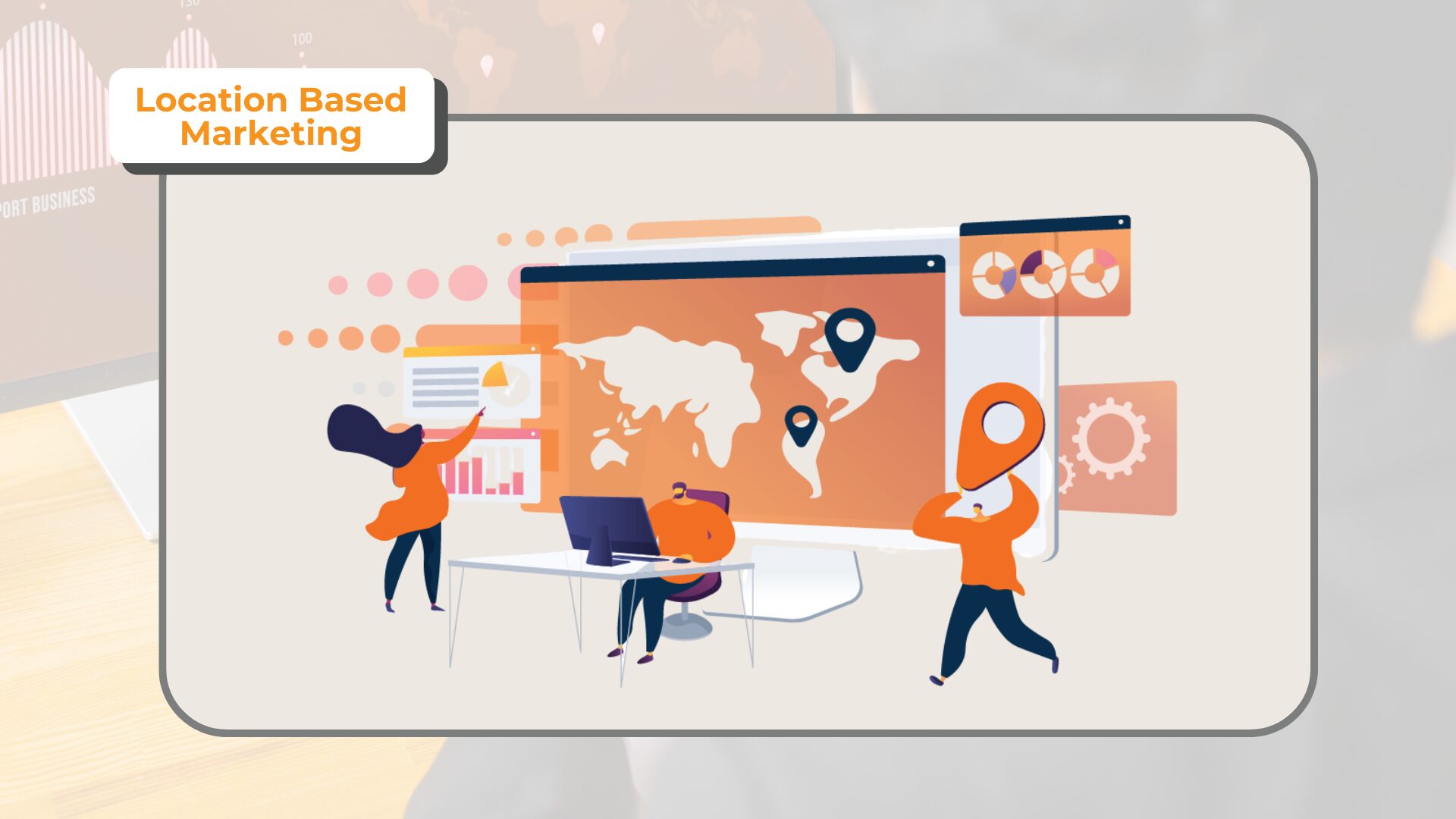
Businesses operate in competitive local markets, and customers often search for services near their location. Understanding which campaigns drive calls, web inquiries, and in-store visits is essential for making informed marketing decisions. Location-based marketing allows businesses to target campaigns to defined service areas, zip codes, or territories, improving customer engagement while reducing wasted ad spend.
With AvidTrak, businesses can implement location-based targeting, assign dynamic numbers, and monitor campaign performance by region. Offering competitive pricing, reliable product support, and proven domain expertise, AvidTrak provides a practical solution for both simple call tracking and complex multi-location routing campaigns.
In this article, you will learn what location-based marketing is, how it works across channels like local SEO and mobile push notifications, why it matters for multi-location businesses, and how tools like zip code routing, AI-powered transcription, and conversation outcome extraction help measure and optimize results efficiently.
What Is Location-Based Marketing
Location-based marketing is a strategy that targets customers based on their geographic location, including city, zip code, region, or device location. By focusing on the geographic area where potential customers are active, businesses can deliver more personalized content, location-based advertising, and proximity marketing that drives engagement and conversions.
Key channels include:
- Google Ads geo-targeting for specific cities or regions
- Social media location targeting for high-intent audiences
- Local SEO to appear in search engine results for nearby searches
- Mobile push notifications and Bluetooth beacons to reach users on mobile devices
With AvidTrak, marketers can track phone calls, measure campaign performance by geographic area, and route leads efficiently to the nearest branch or representative, ensuring every location-driven interaction is captured accurately and attributed correctly.
How Location-Based Marketing Works
Location-based marketing focuses on reaching customers in specific geographic areas, aligning marketing tactics with customer behavior, location, and local demand.
By combining digital channels, search optimization, and device-level targeting, businesses can align messaging with local demand and drive measurable engagement.
To implement these strategies effectively, businesses typically focus on three key approaches:
1. Geo-Targeted Paid Advertising
Marketers can target audiences by zip code, city, region, or within a defined radius using platforms such as Google Ads. Campaigns track which areas generate calls, clicks, or inquiries, allowing precise location-based targeting and assessment of campaign performance.
AvidTrak improves this approach by linking phone calls to specific campaigns and geographic regions, ensuring each lead is accurately attributed.
2. Local SEO & Organic Traffic
Optimizing Google Business Profiles, creating local landing pages, and using location-specific keywords boosts visibility in search engine results for nearby users. These tactics drive foot traffic, strengthen customer engagement, and support hyperlocal marketing, while helping businesses connect online interactions to real-world locations.
3. Mobile & Proximity Marketing
Techniques such as device-based targeting, geofencing, and mobile push notifications engage users at specific locations. Tools such as Bluetooth beacons and GPS technology deliver personalized notifications or promotions, guiding potential customers toward conversions.
AvidTrak complements this by attributing resulting calls or inquiries to the originating mobile or location-driven campaign, improving visibility into performance.
Why Location-Based Marketing Is Important
Location-based marketing allows businesses to focus on high-intent audiences within specific geographic areas, making every interaction more relevant and measurable. By targeting customers where they are most likely to engage, marketers can improve campaign effectiveness while minimizing wasted ad spend.
For multi-location or franchise businesses, location-based targeting ensures that leads connect to the nearest branch or representative. Using tools like zip code routing, businesses can automatically route calls or inquiries to the right location, improving lead quality and ensuring a consistent customer experience.
Key benefits of location-based marketing include:
- Increased relevance through targeted messaging based on geographic location
- Higher conversion rates by reaching audiences in proximity to points of interest
- Reduced wasted ad spend by focusing on areas with the most potential
- Improved lead quality via accurate routing and campaign-level tracking with AvidTrak
- Support for franchises or multi-location operations with precise area code and zip code targeting
Location-Based Marketing for Multi-Location & Franchise Businesses
For multi-location businesses and franchises, location-based marketing strategies must connect national campaigns to local execution. By using geolocation marketing, leads and inquiries can be routed to the nearest branch, ensuring timely response and improving customer engagement.
Accurate routing helps measure which regions perform best. Features like zip code routing and area code-based call routing allow businesses to attribute location-driven phone calls to the correct campaign and territory. This makes it easier to compare regional performance and adjust targeting based on verified results.
Key approaches include:
- National campaigns with precise local routing
- Territory-based targeting aligned with customer behavior and geographic area
- Tracking calls, clicks, and inquiries to improve the best strategies for location marketing performance
- Using AvidTrak for campaign-level tracking, AI-powered transcription, and conversation outcome extraction
The Hidden Challenge: Tracking Local Phone Call Conversions
Many local businesses rely heavily on phone calls as a primary source of leads and customer interactions. However, accurately measuring which campaigns or locations drive these calls presents several challenges:
- Static phone numbers lose attribution, making it difficult to connect calls to the correct campaign or geographic area.
- Repeat callers distort performance reports, potentially obscuring high-intent leads and misrepresenting campaign effectiveness.
- Franchise and multi-location businesses require territory-level tracking to understand regional performance and manage routing efficiently.
Without proper tracking, businesses risk underestimating the impact of geolocation marketing strategies. Calls are often categorized as “direct,” leaving marketers unable to analyze which areas generate the most value.
AvidTrak addresses these challenges by capturing every location-driven phone call, dynamically linking it to the originating campaign, branch, or representative. This ensures franchise models and multi-location businesses gain accurate visibility into campaign performance, supporting better decision-making and optimized location-based marketing strategies.
How to Track Location-Based Marketing Performance Accurately
Measuring the effectiveness of location-based marketing requires precise campaign, geographic region, and branch-level attribution, particularly through call tracking, which shows which campaigns generate valuable leads. Without accurate tracking, businesses risk misidentifying high-performing areas or losing leads.
AvidTrak helps marketers track campaign performance precisely, attribute every call to the correct location, and execute the best strategies for location marketing performance.
Zip Code Routing
Zip code routing allows calls to be sent directly to the nearest branch or representative. This is especially important for multi-location and franchise businesses running national campaigns. AvidTrak records every call routed by zip code, providing detailed reports on regional performance via tracked calls.
Area Code-Based Call Routing
Routing calls by area code connects prospects to the closest regional team, improving lead-handling efficiency and ensuring customer interactions are relevant and timely. With AvidTrak, each call is tracked by origin, allowing marketers to assess which areas are delivering the highest-quality leads.
Dynamic Number Insertion (DNI)
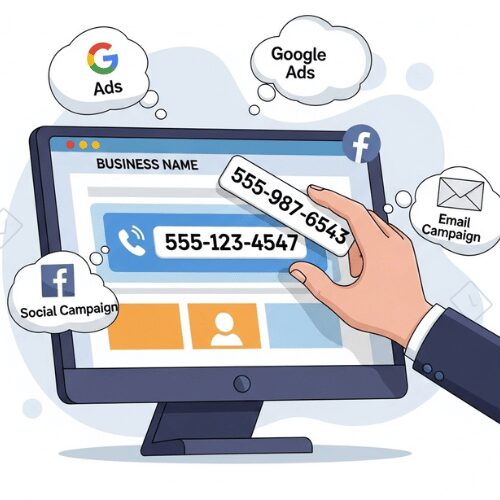
Dynamic Number Insertion assigns unique phone numbers to each campaign and automatically swaps them based on the caller’s location. This allows businesses to track calls by city, region, or keyword, linking each interaction to the correct marketing tactic. AvidTrak’s DNI system automates this process, ensuring accurate attribution without manual oversight and giving a clear view of which campaigns are driving high-intent leads.
Google Ads & GA4 Integration
Integrating calls with Google Ads and GA4 allows accurate reporting of calls as conversions. Businesses can compare performance across regions, filter for new callers, and set minimum call durations. AvidTrak’s CRM integration links calls directly to campaigns, making location-based marketing strategies trackable, precise, and tied to real results.
AI-Powered Transcription & Conversation Outcome Extraction in Local Marketing
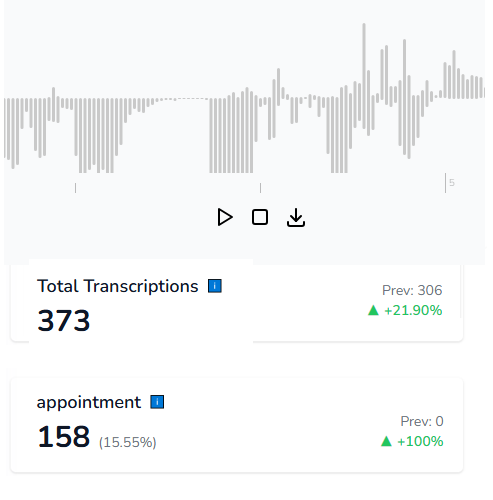
In location-based marketing, call volume alone does not reveal real performance. Businesses need to understand what customers say and what actions they request. AvidTrak uses AI-powered transcription to convert recorded calls into searchable text, making conversations easy to review across campaigns and locations.
Beyond transcription, AvidTrak identifies key conversation outcomes such as booking requests, pricing inquiries, support needs, and service scheduling through its AI-powered conversation outcome extraction feature. This reveals which locations generate confirmed appointment opportunities rather than just longer calls.
For multi-location brands and franchises, this provides a stronger way to evaluate branch performance. Teams can prioritize high-intent callers, respond faster, and refine regional targeting strategies based on verified customer intent.
AI-driven transcription, combined with conversation outcome analysis, replaces surface-level duration metrics with conversation insights. By analyzing what happens inside each call, AvidTrak ties local marketing performance directly to revenue impact.
Advanced Call Routing for Location-Based Campaigns
Handling calls effectively is as important as generating them in location-based marketing. AvidTrak offers advanced routing designed for multi-location campaigns, helping businesses connect the right caller to the right branch or representative without delay.
Key routing options include:
- Sequential forwarding – directs calls through a pre-defined order of agents until answered.
- Simultaneous forwarding – rings multiple representatives at once to reduce missed opportunities.
- IVR menus – guide callers to the appropriate department, branch, or service line.
- After-hours routing – sends calls to voicemail, answering services, or alternate locations when teams are unavailable.
- Warm transfers – pass callers to the right representative while retaining context.
- Call whisper – provides agents with campaign or location details before answering.
These routing options let businesses manage every call efficiently, and AvidTrak links each interaction to the correct location, providing accurate reporting on regional performance and lead quality
Common Mistakes in Location-Based Marketing
Even experienced marketers can miss key details that reduce campaign effectiveness. Avoiding these pitfalls helps maximize the impact of location-based marketing strategies:
- Relying on a single phone number for all locations, which masks local performance and call tracking data.
- Skipping region-specific tracking, which makes it hard to compare results across areas.
- Overlooking repeat callers can inflate lead counts and distort campaign evaluation.
- Not filtering out short, low-value calls that don’t indicate real interest.
- Failing to integrate with a CRM, limiting follow-up, and reporting accuracy.
- Ignoring zip-code routing for multi-location or franchise campaigns, reducing lead relevance.
Addressing these mistakes ensures campaigns deliver precise targeting, higher-quality leads, and measurable results. Using AvidTrak for detailed call attribution, regional analysis, and call tracking gives businesses the clarity and control needed to execute location-based marketing with measurable control and accountability.
Maximizing Local Marketing: Who Benefits Most
Certain businesses gain the most from location-based marketing by reaching customers where they are active and improving customer experience through location-based services. Using tools like IP address tracking, push notifications, and beacon technology, marketers can connect campaigns to measurable actions, including calls tracked by AvidTrak.
Industries that benefit include:
- Franchise businesses – route calls to the nearest branch and monitor performance by location.
- HVAC and pest control providers – target high-intent local customers and optimize service areas.
- Law firms and healthcare providers – reach nearby prospects while analyzing which locations drive inquiries.
- Retail chains and education institutions – use geotargeting tools and foot traffic data to shape promotions and campaigns.
By integrating location intelligence with call tracking, businesses can link marketing tactics to real customer actions, refine campaigns, and measure results across regions with precision.
Step-by-Step: Building a Location-Based Marketing Strategy with Precise Call Tracking
Executing effective location-based marketing starts with accurate call tracking and a structured setup. With AvidTrak, implementation stays straightforward and measurable from day one.
Step 1:
Define your geographic targeting strategy based on service areas, branch coverage, and regional demand.
Step 2:
Assign unique tracking numbers by region to connect inbound calls directly to specific campaigns and locations.
Step 3:
Install dynamic number insertion (DNI) to ensure accurate call attribution across digital channels.
Step 4:
Configure zip code routing so callers are directed to the nearest or most relevant branch.
Step 5:
Connect Google Ads and GA4 to track calls as conversions and evaluate regional performance.
Step 6:
Enable AI-powered transcription to document conversations for review and quality control.
Step 7:
Activate AI-powered conversation outcome extraction to identify appointments, inquiries, and high-intent calls.
Step 8:
Use AvidTrak’s custom reports to analyze region-level call data, refine targeting, improve lead handling, and strengthen ROI.
When implemented correctly, call tracking becomes the foundation for smarter regional decisions and consistent performance growth.
AvidTrak: The Smart Choice for Cost-Effective Location Marketing
AvidTrak delivers an all-in-one, cost-efficient platform for location-based marketing, giving full visibility into calls, campaign performance, and local lead quality. With dynamic number insertion, zip code and area code routing, and a built-in contact center, every call is routed to the correct campaign and location for precise tracking.
For franchises, multi-location businesses, and service providers, AvidTrak combines industry-leading features with unmatched affordability, supported by 14+ years of domain expertise and dependable support.
Sign up for a free trial today and experience how AvidTrak turns every call into measurable results, giving your local marketing the clarity and control it needs to drive real growth.
Frequently Asked Questions
1. What is location-based marketing?
Location-based marketing is a digital marketing strategy that uses location data tied to a user’s geographic area to deliver targeted messaging within specific regions. Businesses build their advertising and outreach to where customers are located to increase relevance and drive stronger engagement.
2. How does location-based marketing work?
Location-based marketing uses signals such as IP address data, mobile device information, and regional targeting tools to reach audiences in defined areas. Campaigns are structured by region so messaging reflects local demand, service coverage, and customer behavior.
3. What is geo-targeted advertising?
Geo-targeted advertising is a form of location-based advertising that delivers ads to users within selected geographic areas. It relies on IP address data, device signals, or platform targeting settings to control ad placement, helping businesses concentrate spend on priority markets.
4. How do you track local phone calls?
Local phone calls are tracked using unique tracking numbers assigned to specific campaigns or regions. AvidTrak links each call to its marketing source, records caller location signals, and reports performance by region or branch to measure which campaigns generate qualified leads.
5. What is zip code routing?
Zip code routing directs inbound calls to the appropriate branch or representative based on the caller’s zip code. In multi-location and franchise models, AvidTrak uses zip code routing to reduce misrouted calls and ensure leads reach the correct service area.
6. How does AI-powered transcription and outcome extraction help local campaigns?
AI-powered transcription converts recorded calls into searchable text, allowing teams to review conversations, identify customer intent, and assess lead quality. In AvidTrak, transcription and outcome extraction provide clear insight into the customer journey across campaigns and locations.
7. Is location-based marketing effective for franchises?
Yes. Franchises benefit because campaigns can be managed centrally while performance is measured locally. With AvidTrak’s call tracking and routing tools, franchise brands can accurately measure branch-level performance while maintaining control over overall digital marketing strategy.


