



For years, CallRail’s Lead Center (also referred to as its contact center) allowed businesses to manage inbound calls, recordings, routing, and basic call handling directly alongside call tracking. That setup made it easier for teams to see where calls originated and ensure they were answered, routed, and reviewed without relying on separate systems.
That is now changing. CallRail has announced that its Lead Center will no longer be available, and existing customers are being directed to RingCentral for contact center functionality. As a result, businesses that previously used a single platform for both call tracking and inbound call handling are now required to split those functions across two tools and migrate their workflows accordingly.
For many organizations, this shift creates real operational questions, ranging from data continuity and reporting consistency to training, integrations, and ongoing costs. It also explains why a growing number of businesses are actively seeking alternative solutions that keep inbound contact center capabilities and call tracking together on a single platform.
The Challenge With Moving to RingCentral for Contact Center Needs
Businesses affected by CallRail’s Lead Center sunset are now being directed to RingCentral to meet their contact center requirements, introducing a shift in how inbound calls are managed. Rather than operating within a single environment, CallRail users must rely on a separate platform for call handling while continuing to use another system for call tracking.
Managing inbound calls across multiple platforms increases operational overhead. Adopting standalone inbound contact center software often brings new contracts, additional costs, onboarding time, and workflow changes that were not previously required. Users that once operated under a unified setup now have to coordinate across systems to maintain consistent inbound call handling.
Reporting and visibility can also become fragmented. Call source and attribution data may remain on one platform, while agent activity and call handling are reviewed through contact center monitoring software in another system. Without shared reporting, maintaining a complete view of inbound calls often requires manual reconciliation.
These operational considerations explain why many organizations are reassessing their setup and looking for solutions that keep inbound call handling and call tracking closely aligned within a single platform.
Why Many Users Want Contact Center and Call Tracking in One Platform
As inbound call volumes grow and phone leads remain critical to many businesses, there is an increasing need to have precise operational requirements for handling, reviewing, and attributing inbound calls. For many, the priority is not more tools, but systems that work together seamlessly.
Key requirements include:
- An inbound contact center solution that allows teams to manage inbound calls, agents, and call activity while keeping call tracking data connected to the same system.
- Call routing features, such as queues and IVR, allowing inbound calls to be directed based on business hours, agent availability, caller input, or geographic rules.
- Contact center recording software that allows inbound conversations to be reviewed for quality, training, and compliance directly alongside call data.
- Live call monitoring capabilities, including call monitoring, whisper, and barge features, allowing supervisors to oversee active calls and support agents in real time when needed.
- AI-powered transcription and outcome extraction that converts recorded calls into searchable text, reducing the need to manually listen to call recordings while improving visibility into caller intent.
- Marketing attribution tied directly to calls, allowing businesses and agencies to connect inbound calls to specific campaigns, channels, keywords, or landing pages without relying on separate reporting tools.
Where AvidTrak Fits After the Lead Center Shutdown
For call tracking users who are reassessing their setup after the shutdown, AvidTrak offers an established platform that combines contact center functionality with native call tracking.
- Built-in contact center: Lead Maximizer supports inbound call handling, including call routing, call queues, and Interactive Voice Response (IVR), all within the same system that tracks calls.
- Native call tracking: Connects inbound calls directly to campaigns, keywords, landing pages, and channels without relying on external attribution tools.
- Unified reporting: Brings inbound calls, agent activity, and marketing performance into a single custom reporting environment for consistent review.
- Affordability by design: Provides contact center functionality and call tracking together at a lower total cost than maintaining separate platforms, avoiding additional licenses and unnecessary complexity.
What AvidTrak Offers in One System
Once users move past evaluating platform changes, the focus shifts to execution: how inbound calls are routed, monitored, and tied back to business activity. AvidTrak combines essential inbound contact center software capabilities with native call tracking, allowing consistent management of inbound calls throughout the customer journey.
The following features form the operational foundation of AvidTrak’s system.
1. Advanced Inbound Call Routing
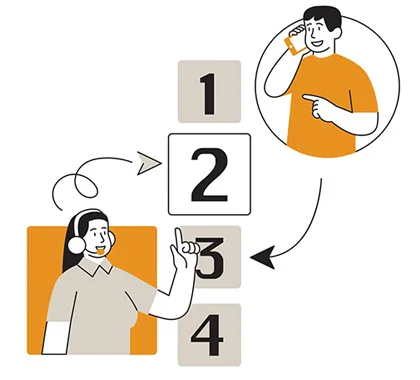
AvidTrak supports structured call routing using interactive voice response, call queues, and zip code routing to ensure inbound callers are directed to the right team or location based on intent, timing, or geography.
2. Business-Hours and After-Hours Call Handling
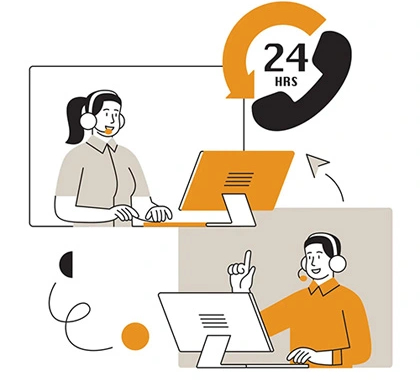
Inbound calls can be routed differently during business hours, after hours, or on holidays, allowing teams to maintain customer support coverage while reducing missed calls and unmanaged overflow.
3. Call Recording With Access Controls
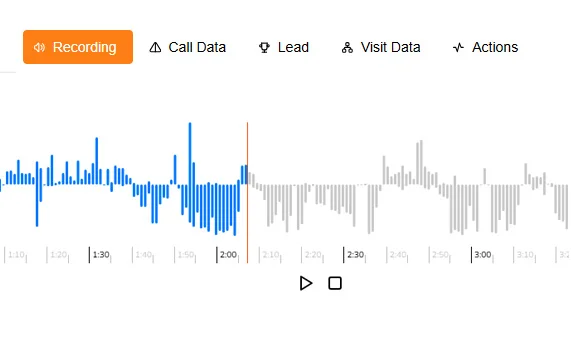
Inbound call recordings are captured automatically and secured with access controls, supporting quality management, training, and accurate review of customer interactions.
4. Live Call Monitoring and Supervision

Supervisors can monitor active calls and use whisper or barge features to guide a customer service agent in real time, helping improve call resolution and overall team performance.
5. Spam and Robocall Filtering

Native robocall-blocking filters automate the blocking of nuisance calls before they reach agents, preserving capacity and keeping inbound call center performance data clean.
6. AI-Powered Transcription and Conversation Outcomes

Using AI-powered transcription and conversation outcome extraction, AvidTrak converts conversations into searchable text and automatically identifies key moments, such as bookings or pricing requests, allowing teams to understand caller intent without manually reviewing recordings.
7. Native Integrations to CRM, Analytics, and Advertising Platforms
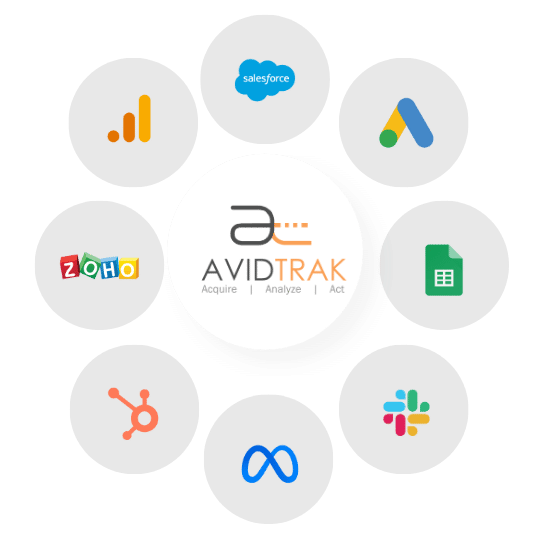
CRM integrations, along with connections to analytics and advertising platforms, ensure inbound call data flows directly into reporting and lead management workflows, keeping call activity aligned with campaigns, customer records, and marketing channels within a single system.
Why Users Should Evaluate AvidTrak After the Shutdown
For users seeking a RingCentral alternative, AvidTrak delivers inbound contact center functionality and native call tracking in a single, unified system. This gives organizations full control over inbound calls and attribution without adding contracts, platforms, or operational complexity.
AI-Powered Conversation Outcome Extraction
Most call tracking tools stop at recording and transcription. AvidTrak takes a different approach by identifying what actually happened in each inbound call, not just what was said. Using speech analytics and call analytics, the platform understands caller intent within real inbound call center conversations.
Outcomes such as bookings, pricing discussions, or lead qualification are detected automatically and tagged as soon as the call ends. This removes manual review and eliminates the need to listen through full contact center call recording files, allowing customer service teams to prioritize follow-ups quickly and act on conversations with clarity and speed.
Why Some CallRail Users Are Choosing AvidTrak
For some long-term CallRail users, the Lead Center shutdown has prompted a closer look at how inbound calls are handled and evaluated going forward. Rather than stitching together inbound call center software and call tracking from separate providers, these users are prioritizing continuity in their call center software to support both operations and attribution without disrupting the customer experience.
During this reevaluation, several users have identified AvidTrak as a RingCentral alternative that keeps contact center functionality and native call tracking on a single platform.
Unlike setups that separate contact center operations from RingCentral call tracking, AvidTrak maintains a unified approach that supports consistent reporting, smoother workflows, and clearer visibility into how inbound calls connect to campaigns across channels, including social media.
What stands out for many teams is AvidTrak’s AI layer. Leena, an AI-powered virtual receptionist, helps ensure inbound calls are answered and captured when staff are unavailable, while Avidia, an AI-based data analyst, allows teams to ask direct questions about call and marketing performance without building or maintaining dashboards. Together, these native capabilities support faster decision-making, improve follow-up consistency, and contribute to stronger customer satisfaction without adding operational complexity.
Which Types of Users Will Find AvidTrak Best Suited for Their Needs
AvidTrak best fits teams whose inbound calling needs extend beyond basic tracking and require structured handling, attribution, and visibility.
Based on these requirements, AvidTrak is particularly well-suited for the following types of users:
- Businesses impacted by the CallRail Lead Center shutdown that need continuity in inbound call handling without restructuring their workflows or adopting multiple tools.
- Companies looking for inbound contact center software combined with call tracking, where inbound calls, routing, and attribution remain connected within the same call center software environment.
- Marketing agencies responsible for call attribution across campaigns, channels, and customer journey touchpoints, including paid search and social media, without relying on fragmented reporting systems.
- Franchise and multi-location businesses that depend on geographic call distribution, using zip-code–based routing to route customers to the correct local office or territory.
- Sales and customer support teams managing high inbound call volumes that require call queues, structured routing, and clear visibility into call handling to maintain a consistent customer experience and customer satisfaction.
Final Thoughts: Life After CallRail’s Lead Center
CallRail’s decision to pair call tracking with RingCentral is a viable approach for users who are comfortable managing separate systems for inbound call handling and operations. For some organizations, especially those already invested in multiple tools, this model can work without disruption.
However, most businesses and users prioritize simplicity, cost control, and ongoing support. In these cases, consolidating call center software and inbound contact center software into a single platform helps maintain a consistent customer experience, reduces operational overhead, and keeps inbound call activity aligned with marketing channels without adding new contracts or complexity.
For businesses evaluating an alternative to RingCentral, AvidTrak combines contact center functionality, call tracking, recording, monitoring, and AI-powered tools in one system, backed by transparent pricing and hands-on product support.
If you’re reassessing your setup after the Lead Center shutdown, start with a 14-day free trial sign-up today to see how AvidTrak handles inbound calls in one place.
Frequently Asked Questions
1. What should businesses evaluate after CallRail’s Lead Center shutdown?
After the shutdown, businesses should reassess whether inbound call handling, routing, and attribution still work together. Many users are evaluating platforms such as AvidTrak that keep call tracking and contact center functions unified without introducing new systems or disrupting workflows.
2. Can inbound call handling and call tracking be managed in one platform?
Yes. AvidTrak combines inbound contact center software with native call tracking, allowing inbound calls to be routed, recorded, monitored, and attributed in one system. This setup reduces operational complexity and keeps call data aligned across teams without relying on disconnected tools.
3. How does AI improve visibility into inbound call activity?
AvidTrak uses AI-powered speech analytics and conversation outcome extraction to automatically identify caller intent, such as bookings or pricing inquiries. This eliminates the need for manual review and enables teams to quickly understand call outcomes, helping them prioritize follow-ups without listening to complete call recordings.
4. Why are some businesses looking beyond RingCentral after the shutdown?
Some businesses prefer keeping contact center operations and call tracking tightly connected. As a RingCentral competitor, AvidTrak is preferred by organizations seeking inbound call handling, attribution, and analytics on a single platform, rather than managing multiple systems for closely related tasks.
5. Which types of users benefit most from AvidTrak’s unified approach?
Companies that rely heavily on inbound calls, such as marketing agencies, franchises, and sales or customer support teams, benefit from AvidTrak’s unified setup. Keeping call handling, routing, and attribution together supports clearer reporting, smoother workflows, and a more consistent customer experience across inbound interactions.


