


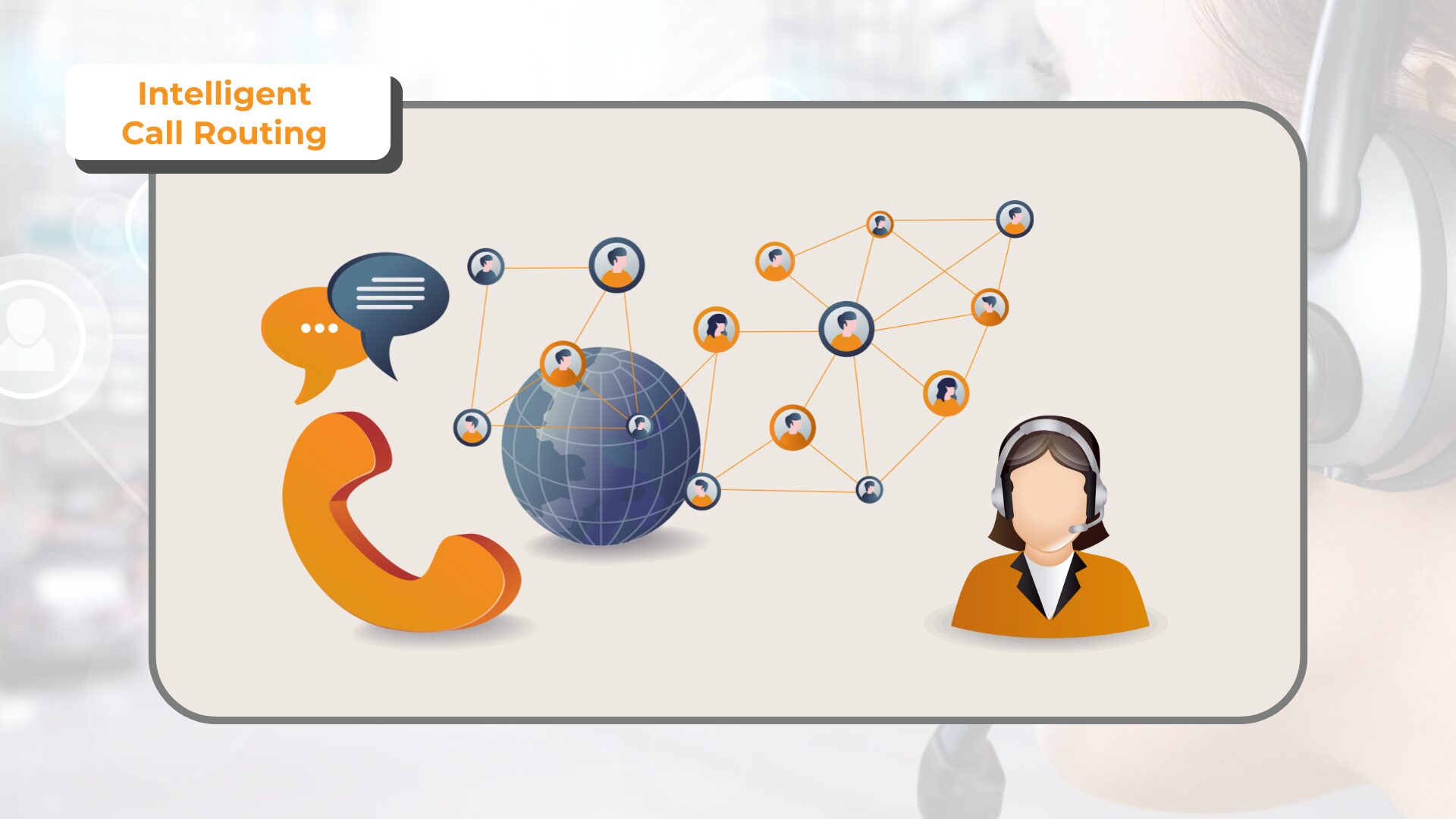
Every missed call is a missed chance to speak with a real customer. In 2026, smart call routing decides whether the customer reaches the right person or hangs up after waiting too long.
Intelligent call routing directs each customer call using clear rules such as IVR options, agent skills, business hours, queue routing, and location-based routing. When call volume rises, a defined call flow keeps priority callers out of voicemail and routes them to agents who can handle the request.
For businesses that depend on phone leads, weak call routing strategies show up quickly. Long wait times increase abandoned calls and reduce both customer satisfaction and customer service consistency. Intelligent call routing now plays a direct role in how teams handle customer calls, manage call volume, and respond to support requests.
AvidTrak supports intelligent call routing services through queue routing, AI-powered transcription, AI-powered conversation outcome extraction, voicemail callbacks, and scheduled alerts. These features help teams respond faster while keeping call attribution accurate. Call data from Dynamic Number Insertion connects directly to GA4 call conversions and Salesforce call tracking integration.
In this blog, we will discuss the 8 best practices for intelligent call routing in 2026, highlighting how businesses can achieve affordability, dependable product support, and trusted domain expertise through advanced solutions such as AvidTrak.
Summary
- Intelligent call routing uses IVR menus, queue routing, skills-based routing, and geo-routing to reduce abandoned calls and improve first-call resolution during high call volume.
- Smart call routing starts with IVR best practices such as limited menu options, clear prompts, call whisper, and voicemail callbacks that keep call flow predictable.
- Queue routing and call overflow rules prevent missed calls by redirecting traffic when wait times increase or agents are unavailable.
- Dynamic call routing applies time-based routing, after-hours routing, area code routing, and ZIP code routing so calls reach the right team or location.
- Dynamic Number Insertion connects routing decisions to attribution, feeding call data into GA4 call conversions and Salesforce call tracking integration.
- AI-powered transcription and AI-powered conversation outcome extraction turn call logs and call transcripts into usable signals for follow-up and reporting.
- AvidTrak combines routing, attribution, and monitoring in a single intelligent call routing system with fair pricing, responsive product support, and proven expertise handling complex routing scenarios.
Foundations of Intelligent Routing
The foundation of smart call routing is a clear set of rules that control how each customer call enters and moves through a call center or contact center platform.
Most routing setups begin with a structured IVR system (Interactive Voice Response) that defines the initial call flow. IVR menus collect basic input, while business hours, holiday schedules, and after-hours routing determine whether calls go to live agents, a call queue, or a voice message option.
Once a call is in the system, automated call routing takes over. Skill-based routing connects callers to agents based on agent skills, reducing transfers and improving the First-Call resolution. Queue routing and automatic call distribution manage higher call volume, controlling call handling time and keeping average handling times predictable during peak periods.
For multi-location teams, geo-routing plays a central role. Area code routing and ZIP code routing direct callers to the nearest office or franchise, which shortens wait times and improves customer satisfaction. These routing strategies also support reporting on customer engagement, call history, and abandonment trends.
AvidTrak supports these foundations by combining routing controls with AI-powered transcription, AI transcripts, and AI-powered conversation outcome extraction. Call logs, call transcripts, and analytics tools feed clean customer data into CRM systems through API integration and built-in integration capabilities, including GA4 call conversions. This keeps routing decisions tied to measurable outcomes instead of guesswork.
Map Caller Intents to Destinations
Intelligent call routing works when every customer call is directed based on intent, not guesswork. In 2026, smart call routing maps callers to sales, customer service, billing, or urgent support using IVR input, caller data, and call context.
A clear routing strategy with limited IVR options keeps the call flow simple and reduces abandonment during high call volume. Dynamic call routing also uses caller ID, call history, and customer data to send repeat or high-intent callers to the right team faster, improving first-call resolution and average handling times.
Choose the Right Routing Types
Intelligent call routing depends on selecting the right routing strategy for your team and call volume. Different routing types control how calls move through the call queue and how quickly agents respond to a customer call.
- Sequential routing sends calls to agents one at a time and suits smaller teams.
- Simultaneous routing rings multiple agents at once to reduce wait times.
- Skill-Based Routing matches calls to agents based on skills, improving first-call resolution.
- Round robin routing uses automatic call distribution to balance workloads.
- Time-based routing directs calls using business hours, holidays, and after-hours rules.
- Geo-routing uses area code or ZIP code routing to connect callers to the nearest location.
- Call overflow routing redirects calls when queues reach capacity or wait times increase.
AvidTrak supports dynamic call routing with queue routing, caller-based routing, call whisper, and agent transfers. These tools give teams control over call management, call flow, and service levels without overcomplicating daily operations.
8 Best Practices for Smarter Call Routing
Clear call routing strategies reduce abandoned calls and ensure customers reach the right place. When routing rules are simple and consistent, teams handle higher call volume without losing service quality. The following best practices show how intelligent call routing supports faster response, better first-call resolution, and more predictable call handling time.
Best Practice #1: Design IVR for Speed and Clarity
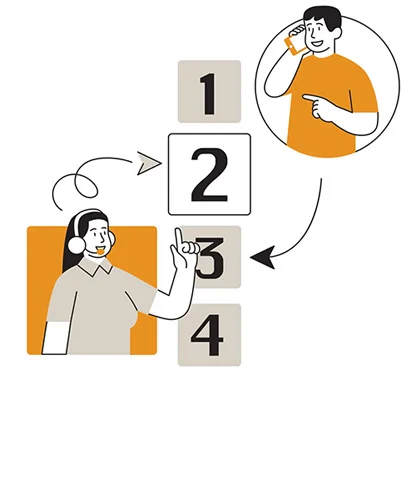
A well-structured IVR system is the base for smart call routing. Callers should reach the right option quickly, without long menus or repeated prompts. Limiting each IVR level to two to four choices keeps the call flow clear and lowers abandonment in a call center.
Clear wording and consistent numbering matter. When menu options stay the same across campaigns, callers make faster decisions, which reduces transfers and stabilizes average handling times. This also supports smart call routing by keeping intent signals clean from the start.
AvidTrak supports multi-level IVR with controlled menu depth, caller greetings, and compliance announcements. Features such as call whisper give agents context before answering, while simple escape options (“press 0 for an agent”) prevent callers from getting stuck. These IVR best practices support dynamic call routing, improve customer satisfaction, and help teams manage queues without unnecessary delays.
Best Practice #2: Use Queue Logic to Prevent Missed Revenue
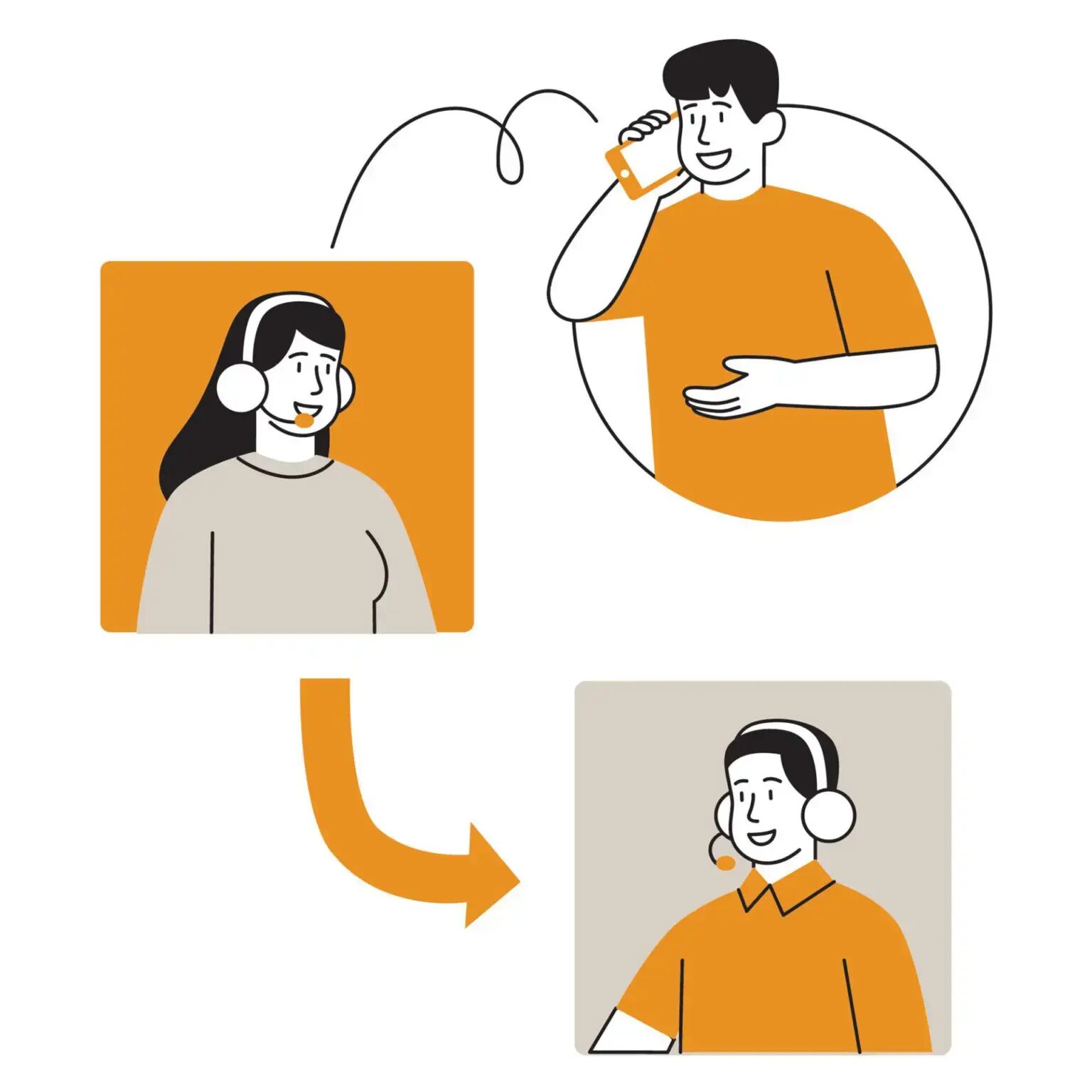
When call volume increases, weak queue routing causes missed calls and longer wait times. Intelligent call routing depends on clear queue rules that control ring duration, wait limits, and overflow behavior.
Short ring cycles and defined queue caps keep customer calls moving. When queues fill, dynamic call routing should redirect calls to backup teams or trigger voicemail callbacks instead of letting callers wait without feedback. This reduces abandonment and supports First-Call Resolution.
AvidTrak supports smart call routing with queue thresholds, round-robin distribution, and automated alerts. Missed calls trigger email or SMS notifications, so follow-ups happen the same day, keeping customer satisfaction steady and average handling times under control.
Pro tips for queue logic:
- Use short ring cycles (about five rings) before moving to the next agent
- Set queue caps to trigger overflow routing during spikes
- Pair voicemail callbacks with alerts to avoid lost follow-ups
These rules help teams manage queues predictably without overloading agents or losing high-intent calls.
Best Practice #3: Route by Time, Geography, and Campaign
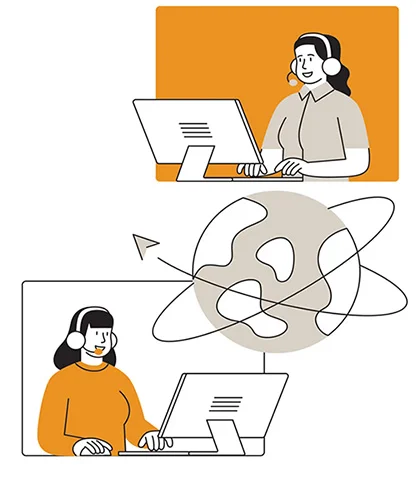
Intelligent call routing needs to adjust based on when, where, and why a customer call happens. Time-based routing uses business hours and holiday calendars to decide whether calls reach live agents, follow after-hours routing, or move to voicemail callbacks during off-hours.
Geo-routing improves accuracy for multi-location teams. Area code routing and ZIP code routing connect callers to the nearest office, reducing transfers and stabilizing average handling times during high call volume.
Campaign rules add another layer. With Dynamic Number Insertion, each ad or keyword can trigger dynamic call routing into priority queues. This supports smart call routing while keeping attribution clean through GA4 call conversions and CRM posting.
Common routing setups:
- Time-based routing: business hours, holidays, after-hours rules
- Geo-routing: area code and ZIP code routing
- Campaign routing: DNI-based priority queues
AvidTrak combines time, geo, and campaign logic into a single intelligent call routing system, so routing decisions stay aligned with both operations and marketing data.
Best Practice #4: Match Skills to Call Types
Calls are resolved faster when they reach the right agent the first time. Skill-based routing assigns each customer call based on agent skills, reducing transfers and improving First-Call Resolution.
Sales inquiries, support requests, and billing questions follow different paths. Routing by skill keeps the call flow focused and prevents agents from handling issues outside their scope. This helps control call handling time and keeps customer satisfaction steady. For smaller teams, simultaneous routing can reduce wait times. As call volume grows, intelligent call routing shifts toward skills-based logic to avoid overload and uneven workloads.
AvidTrak provides flexible skills-based and simultaneous routing options, helping businesses reduce abandonment while improving call resolution and overall customer satisfaction.
Best Practice #5: Protect Caller Trust and Deliverability
Intelligent call routing only works when callers trust the connection. For outbound follow-ups, STIR/SHAKEN verification helps reduce spoofing and improves answer rates. For inbound traffic, filtering matters just as much.
AvidTrak blocks nuisance traffic with a built-in robocaller blocker that uses audio CAPTCHA, keeping call queues clear for real customer calls. This prevents wasted agent time and supports consistent customer service handling during peak call volume.
Privacy controls also play a role. Password-protected call recordings and auto-deletion rules let teams manage call logs and call transcripts based on internal policies. For SMS follow-ups, AvidTrak supports A2P-10DLC registration, helping messages reach customers without delivery issues.
Protecting identity, filtering spam, and managing data together keep smart call routing reliable and predictable.
Best Practice #6: Close the Loop with Attribution and CRM
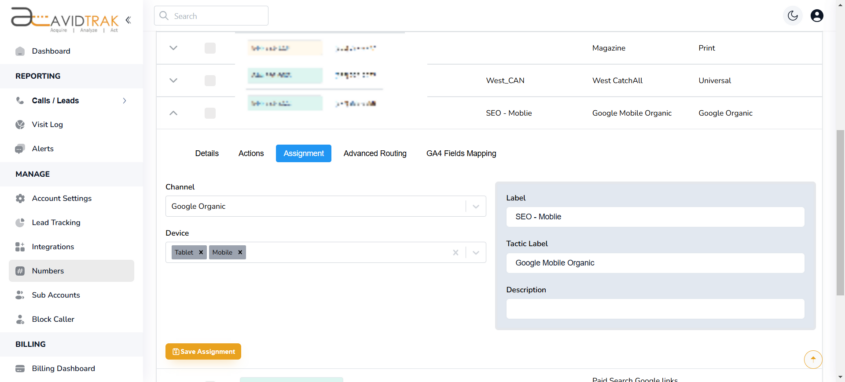
Routing decisions matter more when they connect back to marketing results. With Dynamic Number Insertion, each ad, keyword, or landing page can route calls differently while still tracking where the call came from.
In AvidTrak, dynamic call routing works alongside attribution. GA4 call conversions record qualified calls, while CRM systems receive call data through built-in API integration. This links customer call activity directly to revenue without manual reporting.
Posting calls into platforms such as Salesforce, HubSpot, or Zoho keeps call history, AI-powered transcription, and call outcomes in one place. This allows teams to focus on campaigns that generate booked appointments instead of chasing raw call volume.
Best Practice #7: Monitor, Coach, and Iterate
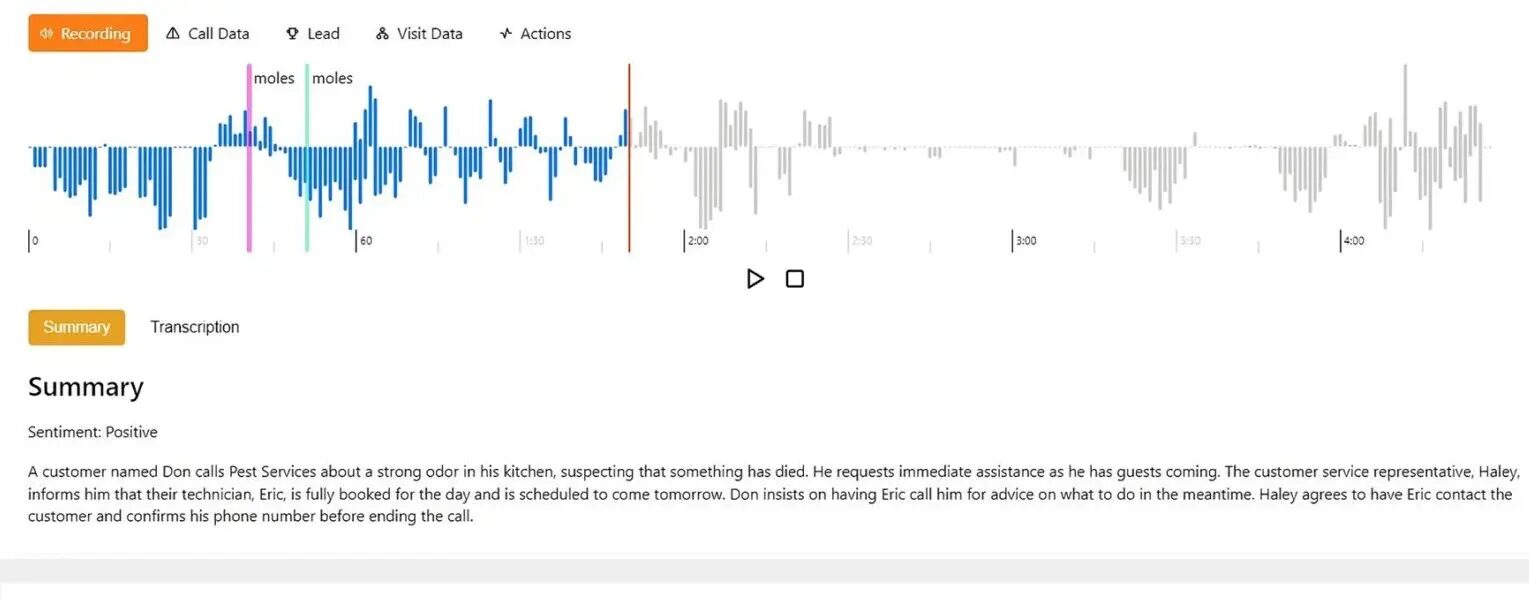
Intelligent call routing improves over time only when teams review how calls are handled. Supervisors need visibility into live customer calls to correct issues as they happen.
AvidTrak supports smart call routing with live monitoring, call whisper, and barge options. Managers can guide agents privately, step in during complex calls, and reduce call handling time when issues arise.
After calls end, reviewing matters more than replaying recordings. AI-powered transcription, AI transcripts, and AI-powered conversation outcome extraction highlight key moments inside call logs and call transcripts. This helps teams spot quality issues, missed opportunities, and training gaps without reviewing every call.
Scheduled reports track routing performance across queues and routes. Teams commonly review:
- Missed call rate
- Abandonment rate
- Average answer speed
- First-Call Resolution
- Conversion rates by route
This feedback loop keeps dynamic call routing aligned with real call behavior.
Best Practice #8: Test, Measure, and Roll Out Gradually
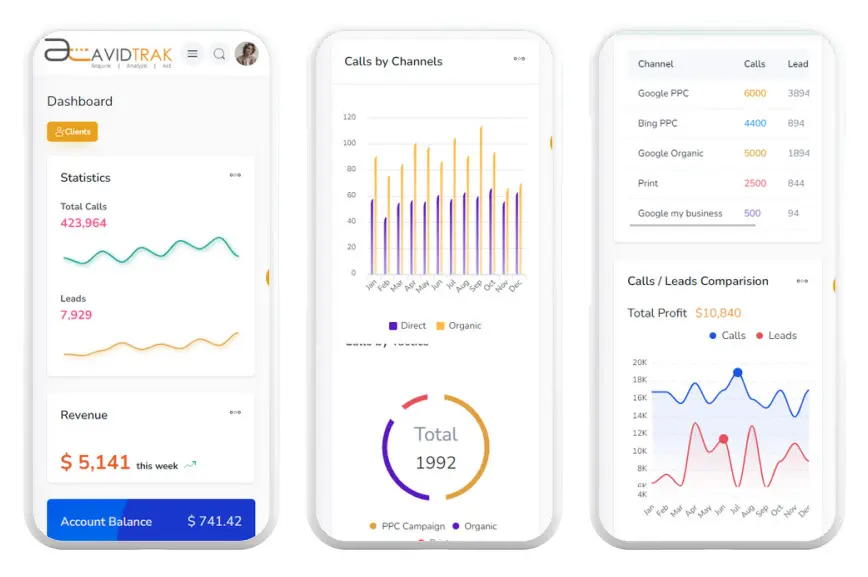
Even the best call routing strategies need testing before being applied across an entire cloud-based contact center. Running controlled A/B tests helps teams evaluate the impact of different routing rules on customer experience and performance metrics. Small changes in call flow, queue limits, or routing rules can affect wait times and conversion rates.
A phased rollout allows teams to compare results before expanding changes. Testing different rules supports intelligent call routing without disrupting daily operations or increasing abandoned calls.
AvidTrak allows teams to set alerts, manage custom dashboards, review reporting, and revert routing rules if performance drops. This makes it easier to adjust smart call routing setups based on actual results, not assumptions. Gradual testing keeps routing decisions predictable while maintaining service levels during growth.
Templates and Checklists
Clear frameworks make dynamic call routing easier to design, review, and maintain across teams. Well-defined templates reduce setup errors and keep call management consistent as call volume changes.
The following checklists translate call routing strategies into practical rules. They show how to configure call flow, monitor performance, and maintain compliance inside a contact center platform. Each template aligns routing decisions with measurable outcomes such as first-call resolution, average handling times, and customer satisfaction.
These models tie directly to AvidTrak capabilities, including queue routing, call overflow, after-hours routing, voicemail callbacks, and reporting dashboards. They also support smart call routing by connecting daily routing decisions to call logs, analytics tools, and customer journey data.
Table A: Routing Blueprint Template
This routing blueprint can be built in AvidTrak with queue routing, sequential or simultaneous call transfers, after-hours routing, and voicemail callbacks. Each column reflects rules that can be configured within the platform’s dashboard.
| Caller intent | Primary destination | Backup destination | Ring time | Max wait | Overflow rule | After-hours rule | Report recipient |
| Sales | Sales team | Backup sales | 5 rings | 2 min | Overflow to the queue | Voicemail callback | Sales manager |
| Service | Service desk | Account manager | 6 rings | 3 min | Overflow to support | Voicemail callback | Support lead |
| Urgent Calls | Priority agent | Supervisor | 4 rings | 1 min | Barge/transfer | On-call routing | Operations lead |
Table B: SLA and KPI Targets
AvidTrak tracks the average speed of answer, abandonment rate, missed calls, and first-call resolution across every route. These KPIs can be monitored in real time through dashboards. The targets shown here are recommended industry benchmarks that teams can adapt to their own needs.
| KPI | Recommended starting target |
| Average speed of answer | < 20 seconds |
| Abandonment rate | < 5% |
| Missed calls | 0–2 per week |
| First-call resolution | > 80% |
| Sales conversion | > 15% |
| Callback within X hours | Within 24 hours |
Table C: Privacy and Compliance Controls
AvidTrak provides password-protected call recordings, auto-deletion timelines, custom retention windows, STIR/SHAKEN verification, and A2P-10DLC registration. These features align directly with the following compliance controls.
| Control | Notes |
| Password-protected recordings | Protect recordings from unauthorized access |
| Auto-deletion timelines | Set automated deletion rules for data privacy |
| Data retention windows | Configure storage duration based on company policies |
| STIR/SHAKEN posture | Verified caller identity for outbound calls |
| A2P-10DLC registration for SMS | Register brand and campaigns for compliant messaging |
Why Choose AvidTrak for Intelligent Call Routing
The best practices above show how intelligent call routing affects how calls are answered, routed, and followed up. Getting this right depends on more than routing rules alone. It requires fair pricing, dependable product support, and experience handling real routing challenges.
AvidTrak delivers intelligent call routing through a single contact center platform that supports both simple and complex setups. What sets AvidTrak apart is how routing connects to data. Dynamic Number Insertion, GA4 call conversions, and CRM systems integrations, including Salesforce call tracking integration, keep routing decisions tied to marketing performance.
AvidTrak also includes capabilities that many platforms separate or price higher. This includes a built-in contact center with routing, monitoring, and transfers, Leena, an AI virtual receptionist for after-hours and overflow calls, and Avidia, an AI data analyst that answers questions using call and CRM data.
Sign up for a free trial of AvidTrak today and put intelligent call routing to work with pricing and support built for real business needs.
FAQs
1. What is intelligent call routing?
Intelligent call routing directs each customer call using IVR rules, agent skills, business hours, and geography. With AvidTrak, queue routing and voicemail callbacks reduce abandonment and improve first-call resolution during high call volume
2. What routing types should teams consider?
Teams often combine sequential or simultaneous routing, skill-based routing, and call overflow rules. AvidTrak supports smart call routing with queue logic and automatic call distribution to manage call queues without increasing handling time.
3. How should a business handle after-hours calls?
After-hours routing should follow time-based rules with voicemail callbacks and alerts. AvidTrak uses dynamic call routing with AI-powered transcription and notifications so missed calls receive follow-ups the next business day.
4. How does geo-routing work for franchises?
Geo-routing directs calls via area code or ZIP code routing. AvidTrak’s intelligent call routing system connects callers to the nearest location, helping franchises reduce transfers and manage customer calls more efficiently.
5. How does call routing connect to marketing ROI?
When routing works with Dynamic Number Insertion and GA4 call conversions, marketers see which campaigns drive qualified calls. AvidTrak posts call data into CRM systems such as Salesforce, HubSpot, and Zoho.
6. Why mention STIR/SHAKEN in routing best practices?
STIR/SHAKEN verifies caller identity, improving answer rates and reducing spoofing. For intelligent call routing service workflows involving callbacks or outbound follow-ups, AvidTrak uses verified carriers to protect caller trust.
7. What coaching features improve routed calls?
Live monitoring, call whisper, and barge help supervisors guide agents during calls. AvidTrak adds AI-powered conversation outcome extraction and AI transcripts so teams can review call quality without replaying full recordings.


