


Pay-per-click for lawyers operates in one of the most expensive keyword categories within Google Ads. Legal search terms tied to high-intent queries, such as those for a personal injury law firm or criminal defense practice, often carry higher cost-per-click bids than most other industries on the search engine results page. When law firms invest in PPC advertising, every click must lead to a clear conversion goal.
For many firms, a large share of qualified inquiries comes by phone rather than through a landing page form. Without accurate phone call conversion tracking, campaign decisions inside Google Ads rely on partial data, which affects bidding, keyword strategy, and overall PPC marketing for law firms.
This guide explains how PPC for lawyers should be structured, how to track consultation calls properly, and how improved call attribution improves conversion rates while helping law firms manage advertising spend more effectively.
Why PPC Is Critical for Modern Law Firms
When someone searches “personal injury lawyer near me” or “DUI attorney consultation,” the intent is immediate. These queries appear prominently through Google Search Ads at the top of the search engine results pages, giving law firms visibility at the exact moment potential legal clients are ready to speak with an attorney.
Several factors make pay-per-click essential for modern law firms:
- Legal matters are often urgent, which increases click-through behavior.
- Paid ads appear above organic listings in the search engine results page.
- Search engine optimization and organic search engine rankings take time to build.
- PPC supports predictable lead generation as part of a broader digital marketing and online marketing strategy.
However, appearing at the top of the search results is only part of the equation. Effective PPC for law firms depends on accurate phone-call conversion tracking, not onassumptions based solely on clicks or impressions.
The Real Problem with Google Ads for Lawyers
Running Google Ads in the legal space is not just about writing strong ad copy or selecting the right keyword match types. The deeper issue is how performance is measured.
Many law firms focus on surface metrics such as click-through rate, impressions, or average position on the search engine results page, without connecting those numbers to actual client outcomes.
Two challenges create the biggest gap between spend and results.
-
Expensive Keywords
Legal search terms often require aggressive bidding strategies and ongoing Bid optimization. Keywords tied to personal injury, criminal defense, immigration, DUI, or family law frequently show higher top-of-page bid estimates inside Google Ads Keyword Planner.
High competition increases overall cost per click and raises the budget required to remain visible across Google Search Ads and, in some cases, the Google Display Network. When keywords are expensive, poor tracking decisions quickly increase financial pressure.
-
Clicks Don’t Equal Clients
In legal marketing, many potential legal clients prefer to call rather than complete forms on landing pages. Yet most law firms review only online submissions inside conversion tracking, while phone inquiries are often not fully attributed to the correct campaign or keyword.
This creates three common issues:
- Calls from Google Call Numbers or call extensions are often not configured to report detailed campaign or keyword attribution.
- Repeat callers can inflate reported conversion rate data.
- Short or misdirected calls may appear as successful conversion goals.
Without accurate phone call attribution, PPC data looks complete on the dashboard, but it does not reflect true client acquisition performance
How to Track Conversions Efficiently in Legal PPC
Effective pay-per-click for lawyers depends on knowing exactly which ads generate consultation calls. In the legal space, where high-value cases often begin with a phone call, incomplete tracking results in incomplete performance data. AvidTrak connects inbound calls directly to Google Ads, campaigns, and practice areas, giving law firms verified attribution instead of assumptions.
Accurate legal PPC tracking requires a structured setup.
Step 1: Track Phone Calls from Google Ads
Each campaign inside Google Search Ads should use a dedicated tracking number rather than a single office line. When a single static number is used across all ads, attribution becomes unclear, and budget allocation suffers.
AvidTrak assigns unique local or toll-free numbers to specific campaigns or practice areas, allowing law firms to measure which ads drive consultation calls. This clarity supports better allocation of spend across paid ads and improves decision-making tied to real client inquiries.
Step 2: Use Dynamic Number Insertion (DNI)
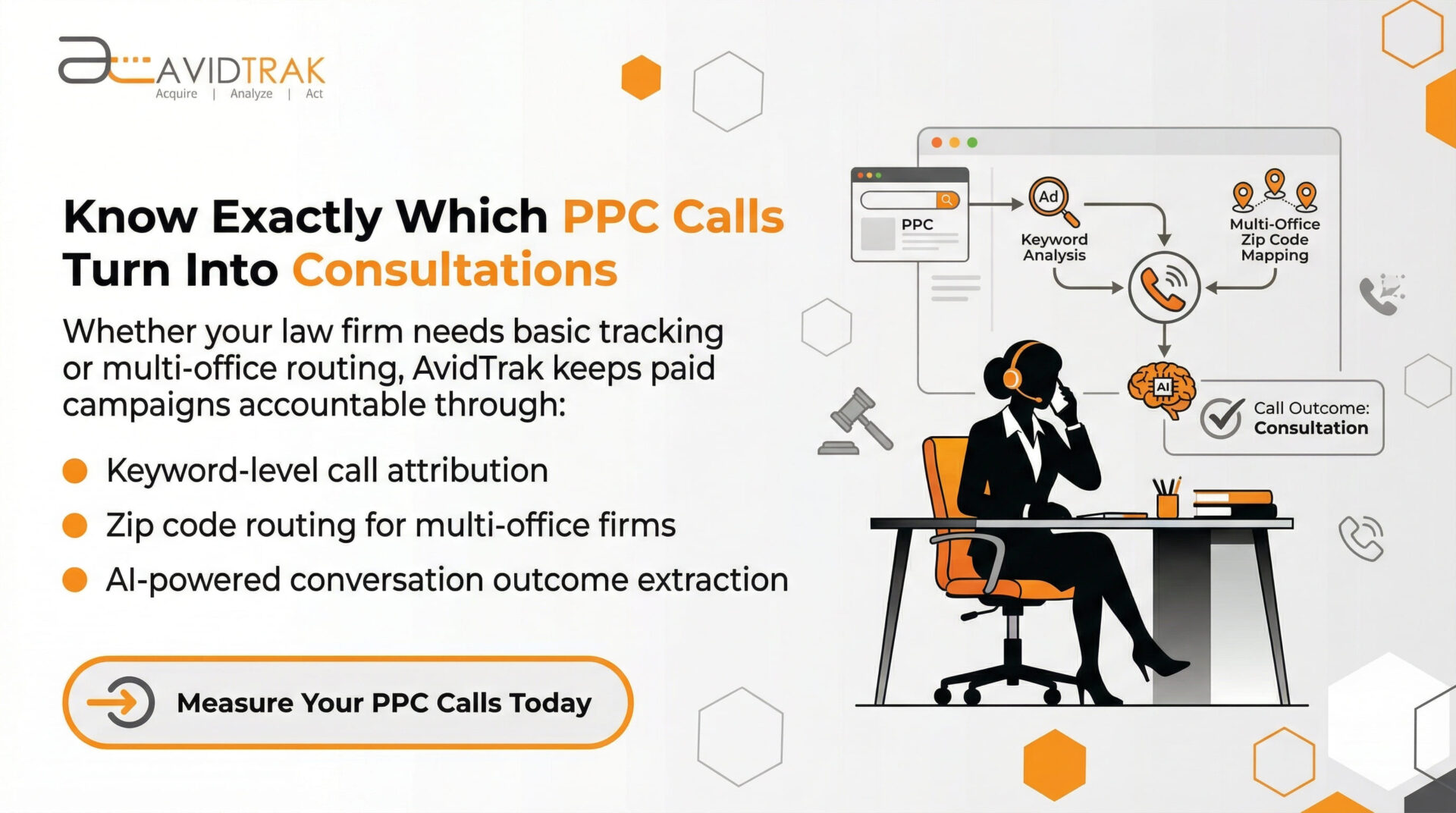
Dynamic number insertion replaces the phone number on a landing page based on the visitor’s traffic source. This allows PPC for law firms to attribute calls at the keyword and ad group level, not just at the campaign level.
With AvidTrak’s DNI configuration, firms can track calls by:
- Keyword
- Campaign
- Ad group
- Landing page
This level of granularity strengthens keyword strategy, refines bidding strategies, and helps identify which search terms produce consultation requests.
Step 3: Report Calls into Google Ads & GA4
Phone calls should be reported back into Google Ads and Google Analytics 4 as validated conversion goals. AvidTrak allows firms to report only new callers, apply minimum duration thresholds such as 60 seconds, and filter out spam before data is sent back to ad platforms.
This structured reporting supports cleaner bid optimization and ensures that PPC marketing for law firms reflects meaningful call activity rather than inflated engagement metrics.
AI-Powered Transcription & Conversation Outcome Extraction for Law Firms
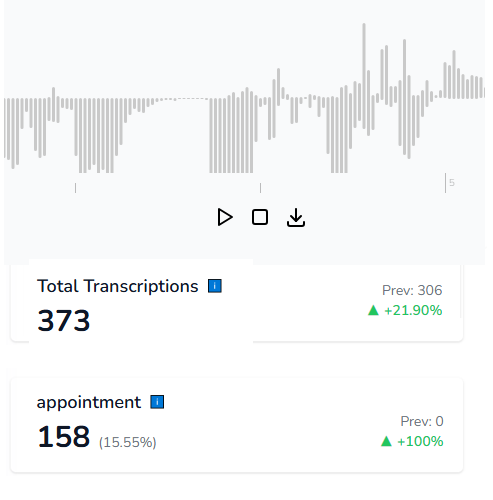
In PPC advertising for law firms, tracking that a call occurred is only the starting point. What determines campaign value is what happened during that call. AvidTrak goes beyond standard recording by applying AI-powered transcription and structured outcome analysis to every tracked conversation.
AI-powered transcription converts recorded calls into searchable text. Law firms can review conversations by keyword, identify trends in intake discussions, and connect specific search terms from Google Ads to real client interactions. This adds depth to PPC marketing for law firms, especially when evaluating which campaigns produce serious inquiries.
AvidTrak’s AI-powered conversation outcome extraction then tags calls based on defined triggers, including:
- Consultation request
- Case evaluation
- Fee discussion
- Appointment scheduling
- Wrong number
- Spam
This classification helps firms identify qualified leads, prioritize urgent matters, improve intake follow-up, and review receptionist handling with measurable context. Unlike basic call recording, this process translates conversation data into structured attribution that strengthens campaign decision-making.
How Law Firms Can Lower Cost Per Lead Using Better Call Data
Reducing cost per click can be difficult in the legal industry, but lowering cost per lead is achievable with better data. In pay-per-click for lawyers, performance improves when campaigns are evaluated based on consultation calls rather than clicks alone.
With accurate phone call attribution through AvidTrak, law firms can take practical action:
- Pause or reduce bids on keywords generating short-duration calls that do not meet defined conversion goals.
- Increase bids on search terms that consistently produce consultation requests, strengthening bid optimization across Google Search Ads.
- Identify which practice areas within PPC marketing for lawyers drive consultation calls and adjust budget allocation accordingly.
- Refine ad scheduling based on call patterns to improve conversion rates during high-intent hours.
Campaign-level and keyword-level tracking provide the structure needed to make these adjustments confidently, turning call data into clearer budget decisions within PPC advertising for law firms.
Advanced Call Routing for Multi-Attorney Law Firms
In PPC for lawyers, generating calls is only part of the equation. Multi-attorney firms must also route those calls correctly across practice areas, offices, and intake teams. AvidTrak combines structured call routing with attribution data, allowing firms to connect paid ads performance to actual intake handling.
For firms running PPC marketing for lawyers across multiple services or counties, routing flexibility matters. AvidTrak supports:
- Sequential call forwarding, where calls move from one attorney or intake staff member to the next if unanswered.
- Simultaneous call forwarding, where multiple recipients receive the call at the same time.
- IVR for practice areas, allowing callers to select options such as personal injury, criminal defense, or family law before being connected.
- After-hours routing, which directs calls based on business hours.
- Area code routing, which forwards calls based on the caller’s area code.
- Zip code routing, ideal for firms serving multiple counties or franchise-style legal offices.
- Call whisper, which announces the source of the call before the attorney answers.
These routing tools improve intake flow and the caller user experience, especially when campaigns promote multiple practice areas. At the same time, AvidTrak tracks every routed call back to its campaign source within PPC advertising for law firms, keeping marketing decisions tied to measurable campaign performance.
How Marketing Agencies Serving Lawyers Benefit from Call Tracking
Agencies managing pay-per-click for lawyers must show how campaigns perform across paid ads, organic visibility from search engine optimization, and supporting content marketing. When law firms rely heavily on phone inquiries, reporting must include verified call attribution tied directly to campaign activity.
White Labeling for Agency Branding
AvidTrak allows agencies to deploy white-labeled accounts under their own branding. This supports agencies building a structured marketing strategy for multiple law firm clients while maintaining professional presentation and reporting consistency.
Agency Master Dashboard for Multi-Client Oversight
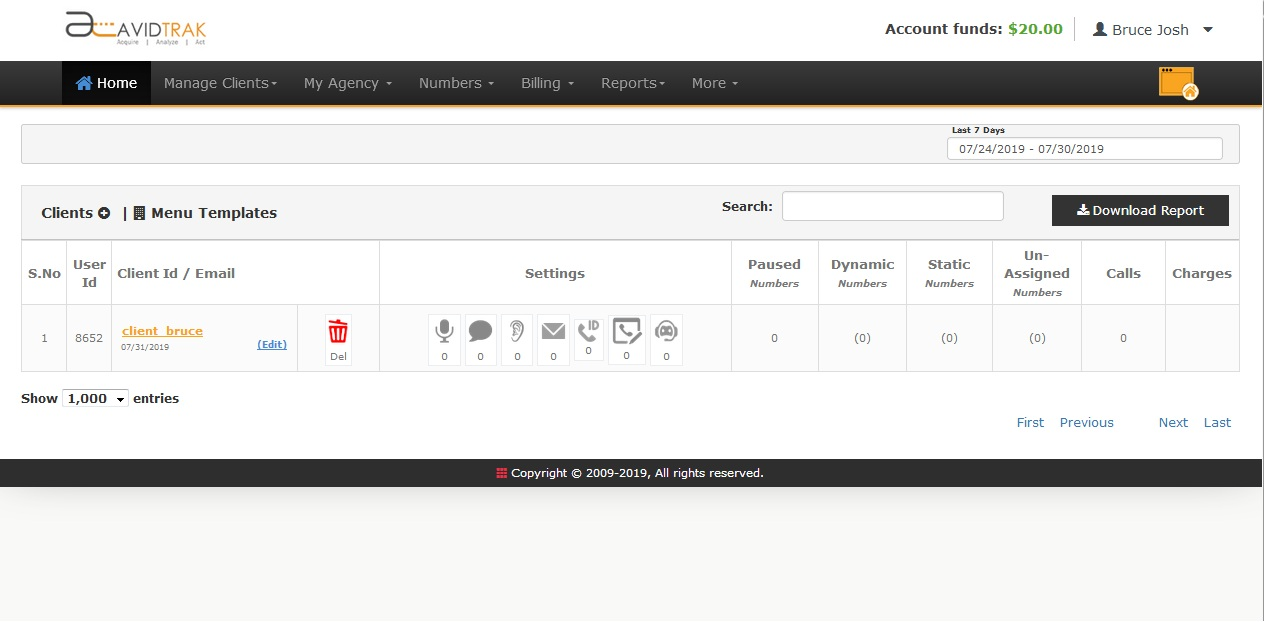
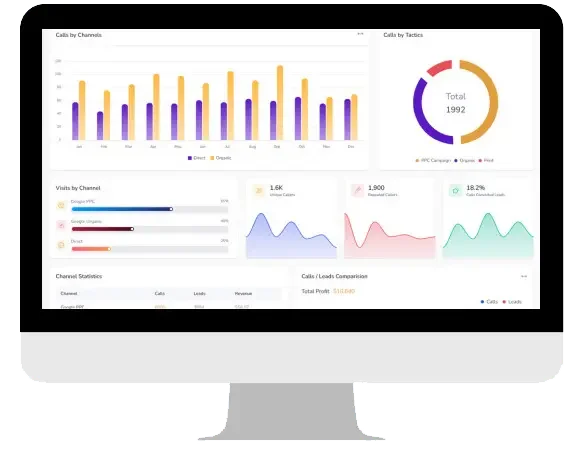
AvidTrak’s agency master dashboard allows agencies managing multiple law firm accounts to view client call performance in one centralized interface. Agencies can monitor call volume, duration filters, new versus repeat callers, and campaign attribution tied directly to Google Ads.
This gives agencies a clear way to evaluate PPC advertising for law firms using verified phone conversion data rather than relying only on click metrics from paid ads.
Measuring Advertising Effectiveness Across Channels

Law firms often invest in multiple digital marketing initiatives, including ads, organic search, and promotion on social media platforms. AvidTrak attributes inbound calls to the correct source, allowing agencies to compare performance across marketing channels and refine the broader marketing plan.
CRM Integration for Closed-Loop Reporting
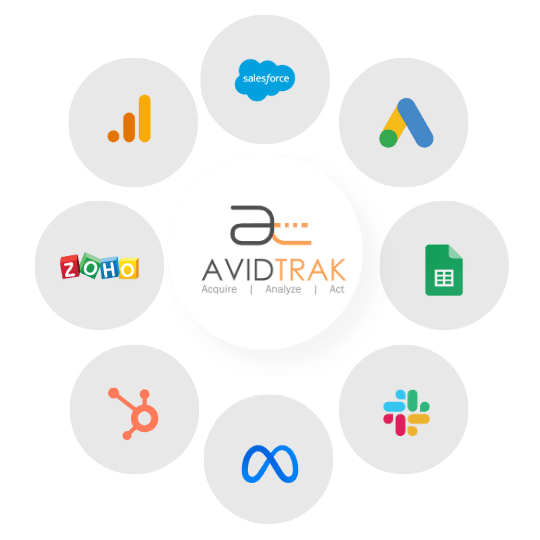
AvidTrak integrates with Salesforce, HubSpot, and Zoho CRM. This allows call data to sync into existing lead management systems, helping agencies connect PPC for law firms campaigns with CRM-recorded case outcomes.
By combining white labeling, campaign-level call reporting, and CRM integration, AvidTrak gives agencies a structured way to measure performance for law firms without shifting routing responsibilities away from the client’s internal intake team.
Costly PPC Tracking Gaps Law Firms Often Overlook
Even a well-planned marketing plan can produce misleading data when call tracking is incomplete. In the legal space, measurement gaps often come from setup errors rather than poor ad copy or bidding.
- Counting only form submissions while ignoring inbound calls, even though many potential clients respond to phone numbers displayed in ads instead of submitting forms.
- Displaying one static phone number across multiple campaigns, which disconnects call activity from specific traffic sources across search engines.
- Allowing repeat callers to inflate reporting, making performance appear stronger than actual new client inquiries.
- Skipping call duration filters, which prevents firms from separating serious consultation calls from short inquiries or spam activity.
- Failing to connect call data with internal lead management tools limiting visibility into how campaigns contribute to actual case intake.
- Not reviewing AI-powered transcription and conversation outcome tags, which can reveal patterns in intake conversations that inform keyword targeting and overall campaign structure.
Addressing these issues improves reporting accuracy and strengthens decision-making across broader online marketing initiatives.
Step-by-Step Setup for Lawyers Using AvidTrak
Setting up call tracking correctly is what separates basic reporting from measurable campaign performance. For law firms running paid campaigns across search engines, the configuration must connect inbound calls directly to advertising data.
Step 1: Select Campaign-Specific Tracking Numbers
Assign unique local or toll-free tracking numbers to each campaign or practice area. This allows call activity to be linked directly to specific traffic sources, rather than blending all inquiries into a single office line.
Step 2: Install Dynamic Number Insertion
Deploy dynamic number insertion on the firm’s website or landing pages. This replaces phone numbers based on visitor source, allowing calls to be attributed to specific campaigns, keywords, or ad groups within Google Ads.
Step 3: Configure Call Routing Logic
Set routing rules based on office hours, practice area selection, or geographic targeting. Multi-attorney firms can use sequential or simultaneous forwarding to manage intake without losing campaign attribution.
Step 4: Connect Google Ads and Conversion Reporting
Integrate AvidTrak with Google Ads so qualified calls are recorded as measurable conversion goals. This allows performance reporting to reflect actual call activity rather than clicks alone.
Step 5: Define Call Qualification Filters
Set minimum call duration thresholds and allow new versus repeat caller filtering. This prevents short inquiries or repeat calls from distorting campaign data inside broader digital marketing reporting.
Step 6: Enable AI-Powered Transcription
Activate AI-powered transcription to convert recorded conversations into searchable text. This allows review of intake discussions without having to listen to full audio files.
Step 7: Configure AI-Powered Conversation Outcome Extraction
Define triggers such as consultation requests, fee discussions, or appointment scheduling. AvidTrak’s AI-powered conversation outcome extraction automatically categorizes calls based on these criteria.
Step 8: Review and Adjust Campaign Performance
Review call data weekly to evaluate keyword performance, bidding decisions, and overall campaign structure. Use verified phone conversion data to refine targeting within the firm’s broader marketing strategy.
Why AvidTrak Is the Right Call Tracking Platform for Lawyers
For firms investing in pay-per-click for lawyers, call tracking must connect phone conversations directly to campaign data inside Google Ads and GA4. AvidTrak is built to deliver accurate attribution without unnecessary complexity.
AvidTrak offers best-in-industry pricing with no hidden fees. With more than 14 years of domain expertise in the legal industry, AvidTrak supports both simple tracking setups and complex routing structures. Firms can integrate call data with Google Ads, GA4, and CRM platforms such as Salesforce, HubSpot, and Zoho for complete reporting visibility.
For advanced needs, AvidTrak supports zip-code routing, structured forwarding, and call tracking with a built-in contact center. It also includes AI-powered transcription and AI-powered conversation outcome extraction, helping firms classify consultation calls and fee discussions without manual review.
Start Tracking Legal PPC with Precision
Law firms can begin with a free trial and connect tracking numbers to existing campaigns in minutes. Sign up for AvidTrak’s free trial to measure consultation calls accurately and bring structure to paid campaign reporting.
Frequently Asked Questions
1. Is pay-per-click worth it for lawyers?
Yes, when structured correctly. Legal searches on search engines often reflect high intent, and paid campaigns can generate immediate consultation calls. The key is accurate tracking. When phone calls are tied back to specific campaigns using AvidTrak, firms can evaluate performance based on real client inquiries rather than clicks alone.
2. How much does Google Ads cost for lawyers?
Costs vary by practice area and location. Highly competitive services, such as personal injury or criminal defense, often have higher cost-per-click rates in Google Ads. Instead of focusing only on click price, law firms should measure cost per qualified call to understand actual campaign value.
3. How do I track phone call conversions for my law firm?
Phone call conversions are tracked by assigning unique tracking numbers to campaigns and reporting qualified calls back into Google Ads and GA4 as measurable conversion goals. AvidTrak connects inbound calls to specific campaigns, applies duration filters, and separates new from repeat callers for cleaner reporting.
4. What is dynamic number insertion?
Dynamic number insertion replaces the phone number on a website based on the visitor’s traffic source. This allows calls to be attributed to specific keywords, campaigns, or ad groups within paid campaigns, improving attribution accuracy for law firms running search-based advertising.
5. Can I filter repeat callers in Google Ads?
Google Ads alone does not automatically filter repeat callers. AvidTrak allows law firms to distinguish between new and repeat callers before reporting conversions into Google Ads, preventing inflated results and improving campaign accuracy.
6. How does AI-powered transcription help law firms?
AI-powered transcription converts recorded intake calls into searchable text. Law firms can review consultation discussions, identify common case types, and evaluate call quality without listening to full recordings. This supports better keyword decisions and more informed campaign adjustments.
7. What is AI-powered conversation outcome extraction?
Conversation outcome extraction automatically tags calls based on predefined triggers such as consultation requests, fee discussions, or appointment scheduling. AvidTrak’s AI-powered conversation outcome extraction classifies calls into structured categories, helping law firms evaluate which campaigns generate meaningful client interactions.


